The Golden Path Home: Understanding the Most Popular Day of the Dead (Día de Muertos) Flowers
Why These Sacred Blooms Are the Secret to Guiding Lost Souls Home on November 2nd
In early November, many people experience a change in the season. The air gets cooler, and families in Mexico and around the world come together to celebrate. Día de Muertos (Day of the Dead) is not a time of sadness; it is a joyful celebration of life, memories, and the special connections between generations.
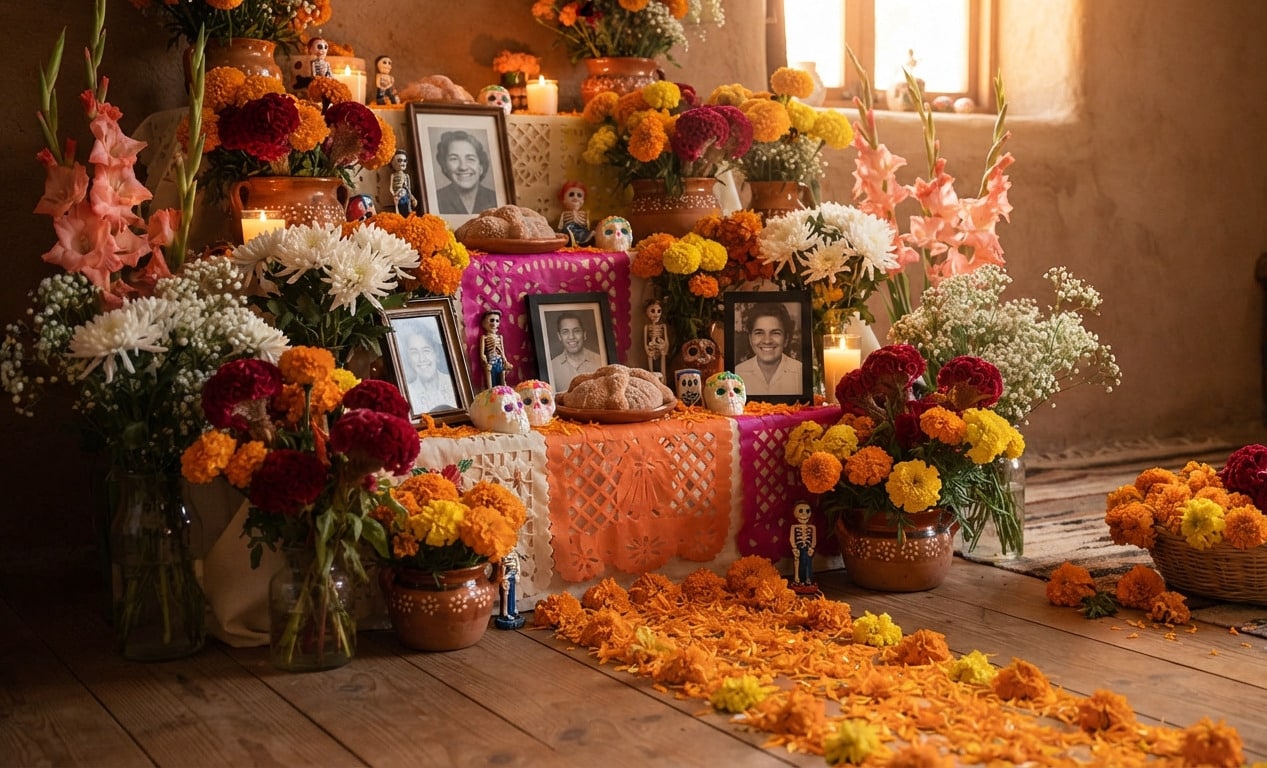
A key part of this celebration is the ofrenda (altar), which is a personal space filled with photos, favorite foods, and important flowers. These flowers are not just for decoration; they serve an important role. The flowers of Día de Muertos guide our loved ones home.
A Memory in Petals: Sofia’s Story
When Sofia was a little girl in Oaxaca, her grandmother sent her to the market every October 31st with a clear task: “Find the brightest orange you can see,” she would say. “The souls are hungry for light.”
Sofia remembers the strong earthy smell of the marigolds—cempasúchil—filling their small home. She watched her grandmother scatter petals from the front door to the ofrenda. “Why are we doing this, Abuela?” Sofia once asked. Her grandmother smiled, adjusted a photo of her mother on the altar, and replied, “Because they haven’t walked these halls in a long time. They need a path they can recognize.”
To this day, the smell of marigolds gives Sofia a deep sense of peace. It reminds her that her family is never truly gone.
The Most Popular Day of the Dead Flowers and Their Meaning
Understanding the Day of the Dead (Día de Muertos) flowers and their meanings helps us appreciate the depth of this tradition. Each bloom acts as a bridge, carrying symbolic weight that honors those who have passed.
1. Marigolds (Flor de Cempasúchil) – The Sun’s Guide
Often called the “flowers of the dead,” these bright orange and yellow blooms are important symbols of the holiday. Their strong fragrance is believed to help guide wandering spirits back to the living world. The bright color represents the sun and provides warmth and light for the souls on their journey.
2. Cockscomb (Terciopelo Rojo) – The Heart of Faith
The cockscomb, also known as terciopelo (velvet), has a deep red color that contrasts sharply with orange marigolds. Many people link this bright red to the blood of Christ, which connects Indigenous Aztec traditions with Catholic beliefs. The cockscomb lasts a long time, often surviving for weeks in hot weather, making it a symbol of lasting life.
3. Chrysanthemums – Peace and Sympathy
White chrysanthemums are frequently seen on altars and gravesites. In many cultures, they symbolize beauty, peace, and sympathy. In the context of Día de Muertos, they offer a serene, elegant touch to the ofrenda, honoring the beauty of a life well-lived.
4. Gladiolas – Remembrance
With their tall, stately stalks and trumpet-shaped blossoms, gladiolas are favorites for adorning gravesites. They represent strength of character, faithfulness, and, most importantly, remembrance. They act as a beautiful focal point in larger floral arrangements.
5. White Hoary Stock – The Innocence of Youth
You often see white hoary stock flowers on altars for children during Día de los Angelitos. These delicate and sweet-smelling flowers symbolize purity and simplicity. They reflect the innocence of the little ones being honored.
6. Baby’s Breath – Ethereal Purity
These small clusters of white flowers look like fluffy clouds and work well as “fillers” in a bouquet. They add a light and airy feel. These flowers symbolize purity and love, providing a gentle backdrop that lets the brighter flowers stand out.
Creating Your Own Ofrenda
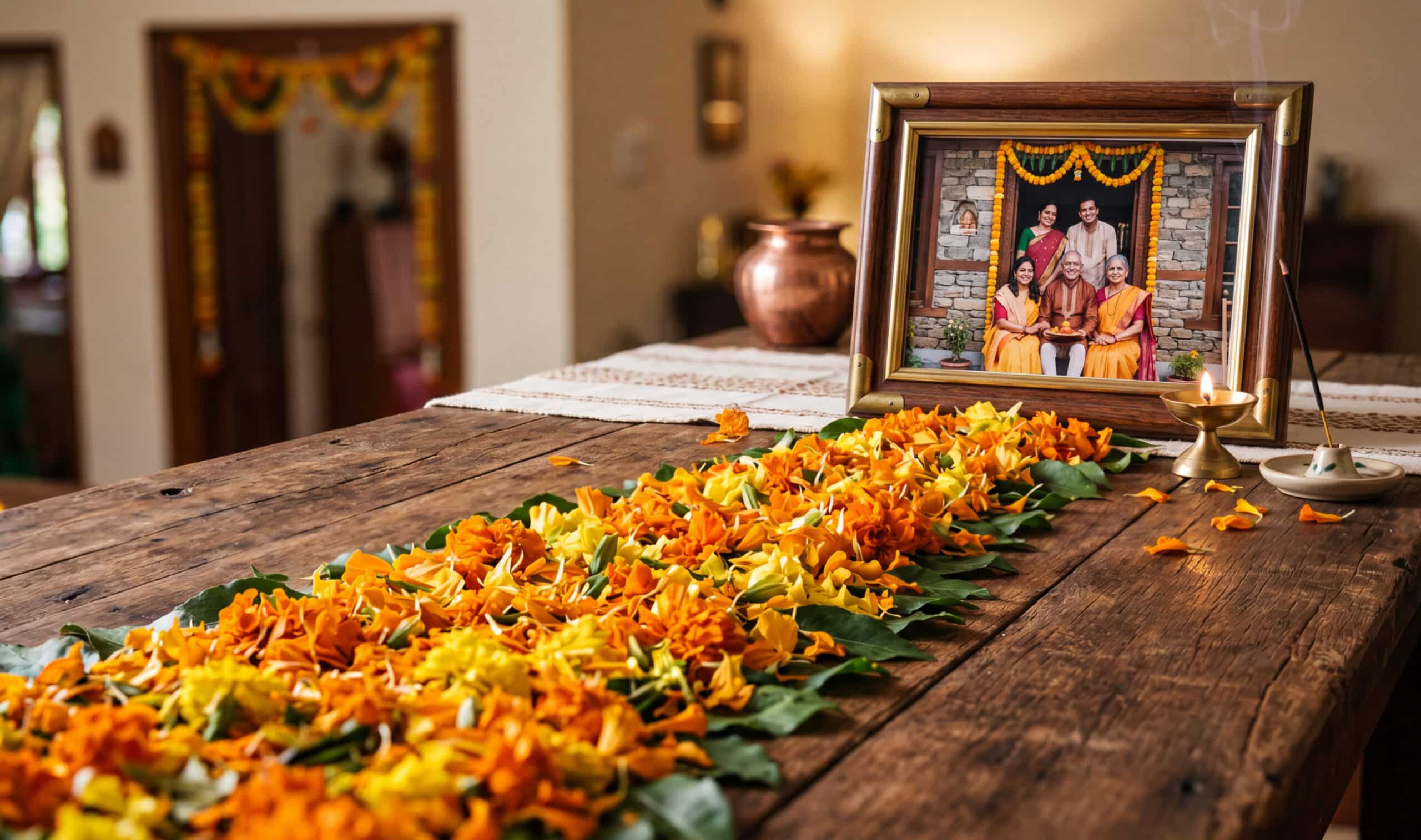
You don’t need to be an expert to create a meaningful tribute. Using marigolds to make a path or placing a simple vase of flowers next to a family photo can be very special. What matters is your intention. By using these traditional flowers, you connect with a beautiful tradition that has lasted for centuries.
When selecting your flowers this year, remember their stories. You are not just buying blooms; you are lighting a path, honoring a memory, and keeping the spirit of your loved ones alive for another year.
ALSO CHECKOUT: Best Valentine’s Day Wishes to Let Your Loved One Know How Much They Mean to You
Frequently Asked Questions (FAQs)
What are the most popular Day of the Dead (Día de Muertos) flowers?
For the holiday, the most popular flowers are marigolds (flor de cempasúchil) because they help guide spirits. Other important flowers include cockscomb (terciopelo rojo), white chrysanthemums, gladiolas, white hoary stock, and baby’s breath.
What is the meaning of the marigold in Día de Muertos?
The marigold, also called cempasúchil, is known as the “flower of the dead.” Its bright orange and yellow colors represent the sun. The strong, earthy smell helps guide the souls of loved ones who have passed away. It helps them find their way from the afterlife to the ofrenda in the living world.
Why do we put flowers on an ofrenda?
Flowers appear on the ofrenda to honor ancestors, decorate the altar, and create a warm welcome for returning spirits. They represent the shortness of life and create a colorful and scented “pathway” that invites our loved ones to come back for their annual visit.
Are Day of the Dead flowers the same as Halloween flowers?
Halloween decorations often focus on dark or spooky themes. In contrast, Day of the Dead flowers are bright and colorful, chosen for their special meanings. These flowers can represent things like guiding spirits, the blood of Christ, or the innocence of children.
Can I use artificial flowers on my ofrenda?
Yes! Fresh flowers are often better because of their natural scent, but many families use paper or silk marigolds instead. What really matters is the intention behind the ofrenda. Whether the flowers are real or fake, they honor your ancestors and create a warm welcome for them.