
Beyond the Whistle: Pierluigi Collina Breaks Silence on Argentina Bias Claims
Inside the VAR Room: FIFA Referee Chief Pierluigi Collina Defends the Integrity of the World Cup Following Intense Backlash
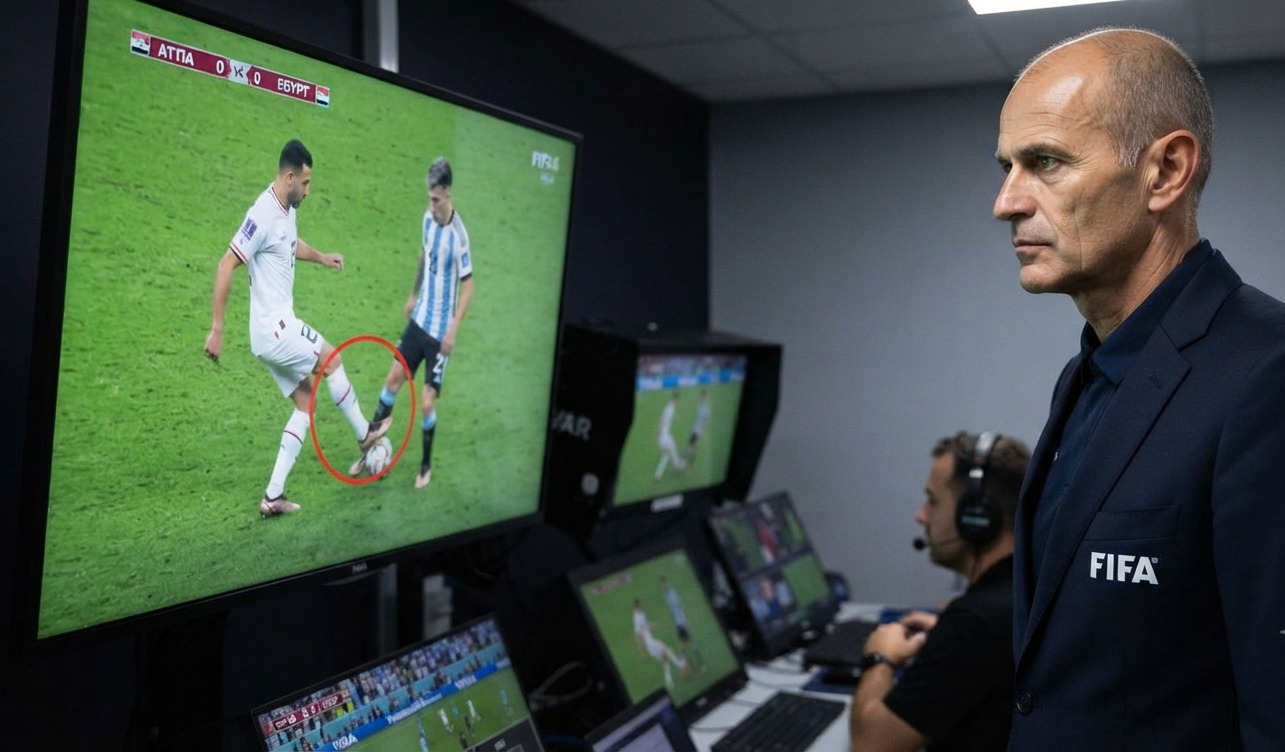
It was the 85th minute of a local Sunday league final, and the tension was high. My friend, a longtime amateur referee, made a call that ended the other team’s hopes of a comeback. This led to a group of angry players accusing him of being “paid off,” and the match ended with bitter feelings.
Later that night, while sitting in a quiet café, he said, “It’s never about the money, and it’s never about the story. It’s just about seeing a foul and making a quick decision. But sometimes, people don’t just want a decision—they want a conspiracy.”
This moment of honesty reminded me of the recent controversy in the FIFA World Cup round-of-16 match between Argentina and Egypt. After Argentina’s thrilling 3–2 comeback, people were not only discussing the goals but also questioning the “FIFA Referee Chief” and making serious accusations of bias.
The Storm: Allegations of Bias Against Argentina
The Argentina-Egypt match led to a lot of noise afterward. The Egyptian Football Association filed a formal complaint. Manager Hossam Hassan claimed that “pressures from the Argentina side” and a wish to keep Lionel Messi in the tournament affected the officiating.
This raises a common question: Is the system set up to favor superstars?
As the accusations grew, FIFA’s Chief Refereeing Officer, Pierluigi Collina, stepped in to clarify the situation.
READ: Sauna or Steam Room: Which Heat Therapy is Best for You?
Collina’s Firm Response
Collina, widely respected for his own officiating career, did not mince words. In a direct response to the swirling rumors of corruption, he made his stance clear: Unfounded allegations have no place in football.
“Nobody can question the honesty of the FIFA World Cup match officials,” Collina said. He stressed that these claims go beyond sports and pose real threats to referees and their families. He also addressed a key issue: outside influence. He firmly denied that anyone, including FIFA President Gianni Infantino, affects the officiating team. “He [Infantino] has always shown full support for FIFA Team One and trusts us to work independently.”
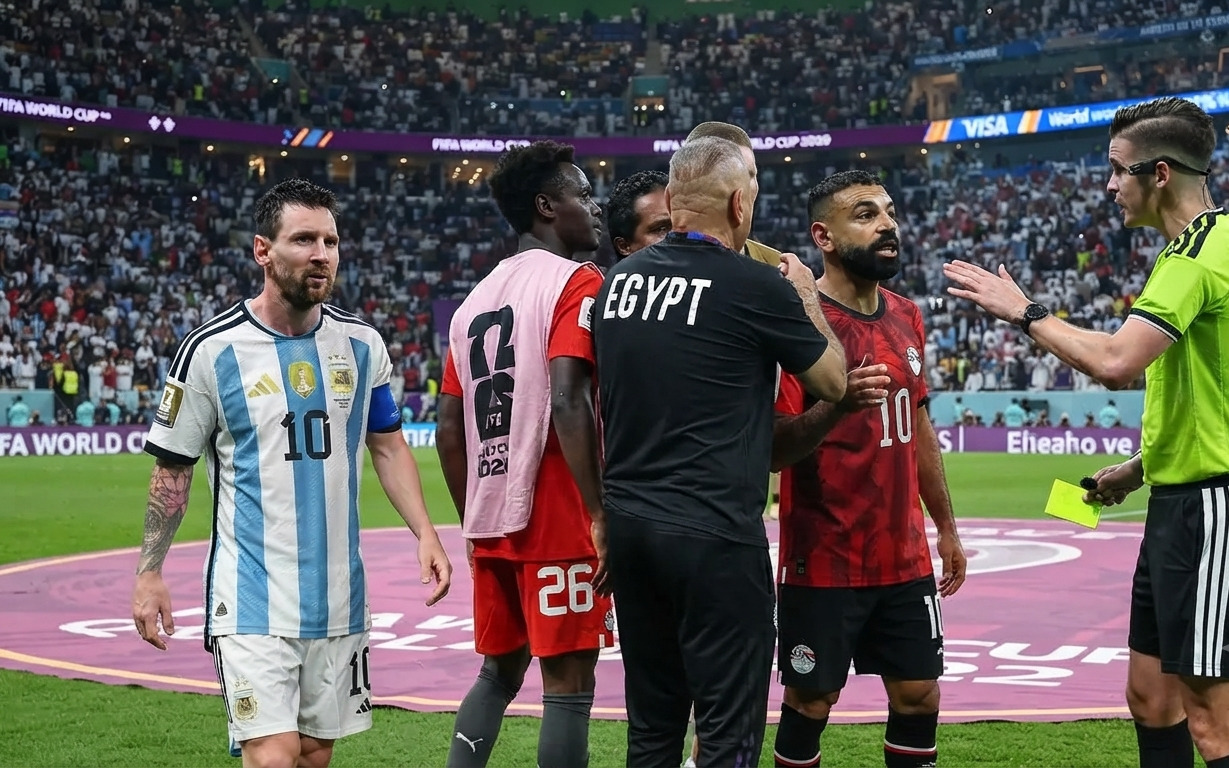
Breaking Down the Controversial VAR Decisions
Much of the frustration from the Egyptian camp stemmed from two specific VAR interventions. Collina, ever the technician, broke down the logic behind the officiating to remove the mystery:
-
The Disallowed Goal: Egypt’s potential third goal was scrubbed after VAR identified a foul by Marwan Attia on Argentina’s Lisandro Martínez in the build-up. Collina’s logic was simple: “We believe that a foul is a foul. Regardless of whether the foul appears ‘obvious,’ if the referee did not see it on the field, the VAR can intervene.”
-
The Penalty Appeals: Late in the game, Egypt felt denied a penalty during the sequence that led to Enzo Fernández’s 92nd-minute winner. Collina stood by the original call, classifying the contact between Mohamed Salah and Julián Álvarez as “normal football contact.”
CHECK THIS TREND: 15 Creative DIY Ugly Christmas Sweater Ideas to Win Every Holiday Contest
The Bottom Line
In international football, the difference between a hero and a villain can come down to just a few centimeters or a single VAR frame. Fans will always debate the reasons behind each call, but the message from the officials is clear: the process is independent, and the goal is accuracy, not storytelling.
For referees, the job remains the same as it was for my friend that Sunday afternoon: make the call, stay firm, and focus on the integrity of the game, even when everyone else is shouting otherwise.
ALSO READ: The Best Washing Machines of 2026/2027: A Real-World Guide to Cleaner Clothes
Frequently Asked Questions (FAQ)
Q: Did FIFA confirm that external pressure influenced the Argentina vs. Egypt match? A: FIFA Refereeing Chief Pierluigi Collina denied these claims. He stated that match officials work independently and are not influenced by anyone, including the FIFA President.
Q: Why was Egypt’s third goal disallowed by VAR? A: The goal was canceled because VAR found that Egypt’s Marwan Attia fouled Argentina’s Lisandro Martínez during the attack. Collina explained that if a foul happens while building up to a goal, VAR will suggest the referee review the play, no matter how far it is from the goal or how much time has passed.
Q: Why was the late penalty appeal by Egypt turned down? A: The referee and the VAR determined that the contact between Mohamed Salah and Julián Álvarez was “normal football contact” rather than a foul. Collina clarified that while stepping on an opponent’s foot is considered a foul, a defender making normal contact after touching the ball is not.
Q: How does FIFA respond to accusations of bias against match officials? A: Pierluigi Collina has called these claims “unfounded” and said they do not belong in sports. He expressed deep concern that these allegations could lead to real threats against referees and their families.