
The Hidden Dangers in Your Garden: Common Poisonous Plants to Keep Away From Your Home
Guarding Your Greenery: Essential Safety Tips to Protect Your Family and Pets From Toxic Flora
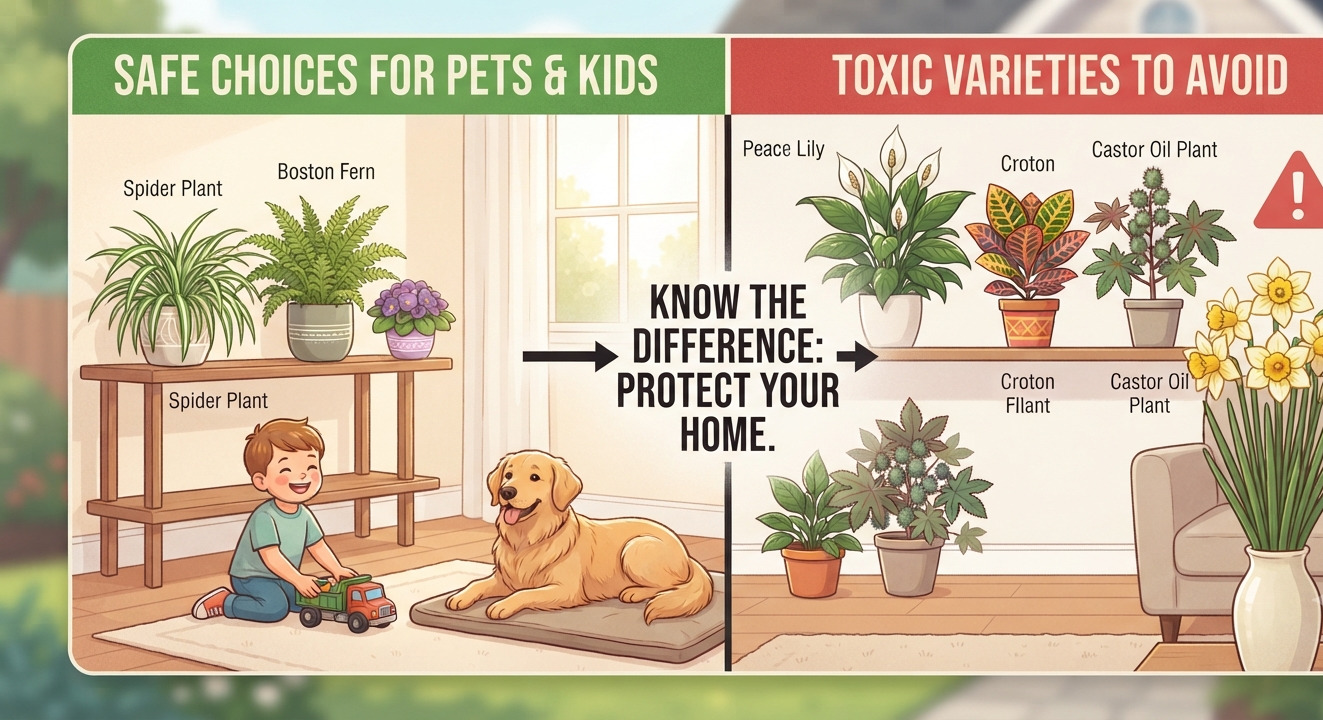
Flowering plants and leafy vines can brighten up your indoor and outdoor spaces. However, it’s important to know that some plants and flowers are poisonous. Certain types of plants have toxins that can harm or even kill humans and animals.
While many flowers are beautiful and have lovely scents, don’t let that mislead you. Some popular holiday plants are mildly toxic, so it’s best to handle them with care.
A Close Call: A Personal Story About Garden Safety
I remember the afternoon when my golden retriever, Buster, ran back onto the porch with bright yellow petals stuck to his nose and a green twig in his mouth. Like many pet owners, I enjoyed planting colorful flowers, not knowing what could be hidden in the soil. Within an hour, Buster started to drool a lot and seemed very tired. I quickly called the vet and rushed him to the car. We found out that he had chewed on some common garden bulbs we had just planted this spring. Thankfully, we noticed it in time, but it was a scary reminder. A beautiful yard isn’t worth risking the safety of the people and pets you love. It is important to know what is growing in your garden, just like it is to know what is inside your home.
Comprehensive Visual Guide to Toxic Flora
This detailed list of poisonous plants and flowers showcases over 40 different varieties, each with varying degrees of toxicity that can lead to issues ranging from severe skin irritation to digestive and respiratory problems. Whether you’re on the hunt for easy-care houseplants or aiming to craft a beautiful garden, this guide will help you make informed choices about what to buy and plant.
High-Risk and Deadly Varieties
-
White Snakeroot: A perennial plant that gets up to five-feet tall with small white clusters. It contains tremetone, a toxin famously responsible for the death of Abraham Lincoln’s mother, who drank milk from a cow that had eaten it.
-
Monkshood (Aconitum): This plant is a toxic perennial with droopy blue-purple petals shaped like a monk’s hood. It is very poisonous because its roots and tubers have a high concentration of toxic alkaloids. Even eating a tiny bit can cause death.
-
Castor Oil Plant: While castor oil has medicinal uses, the seeds contain ricin, one of the most poisonous naturally occurring substances known. Just one seed can kill a child by causing severe dehydration from vomiting and diarrhea.
-
Water Hemlock: These small white flowers contain a toxin that attacks the nervous system. The plant smells like carrots and can cause serious harm or death to humans and pets.
-
Oleander: Eating only a small part of this white, pink, or red flowering plant can be fatal. Ingesting just one leaf can cause drowsiness, slowed heart rate, and shaking.
-
English Yew: The entire plant is poisonous (except for the flesh of the berries), with the seeds being the most toxic part. The alkaloids can cause convulsions, paralysis, and heart failure.
-
Rosary Pea: Found in tropical areas and used in jewelry, these seeds are safe until cracked, broken, or chewed, at which point their toxic proteins are released.
-
Death Camas: You can find this pretty plant across the western U.S. Every part of it is very poisonous. If someone eats it, they may vomit, have stomach pain, experience tremors, and feel weak.
Common Garden and Houseplant Hazards
-
Hyacinth: Featuring bright colors and a delightful scent, hyacinths contain calcium oxalate crystals and narcissus-like alkaloids, making them poisonous to humans, cats, and dogs, causing skin irritation and severe digestive issues.
-
Clematis: Both flowers and leaves contain protoanemonin, leading to mouth ulcers, irritation, and digestive issues when consumed, plus skin irritation upon touch.
-
Larkspur (Delphinium): Contains diterpene alkaloids making every part poisonous—especially seeds and new growth. Cattle are exceptionally vulnerable, suffering respiratory paralysis and death if grazed.
-
Morning Glory: While the vining flowers aren’t toxic, the seeds contain chemical compounds similar to LSD, causing hallucinations, dizziness, numbness, and digestive issues.
-
Amaryllis: A festive holiday plant containing licoryne and other toxic alkaloids concentrated heavily in the bulb, leading to vomiting, diarrhea, and abdominal pain.
-
Iris: Coming into contact with its roots and leaves can irritate the skin; always wear long sleeves and gloves when handling them.
-
Lupine: A member of the pea family containing alkaloid chemicals that cause upset stomach, difficulty breathing, and seizures if ingested.
-
Angel’s Trumpet: Part of the nightshade family, the entire plant—from seeds to flowers—is toxic and harmful to humans and animals.
-
Autumn Crocus: Also known as meadow saffron, every part of this spring perennial is highly toxic, with symptoms ranging from diarrhea to a burning sensation in the mouth.
-
Jimson Weed: Incredibly unsafe when ingested or inhaled, leading to nausea, vomiting, and hallucinations.
-
Lantana (Lantana camara): Colorful and attractive to toddlers and pets alike, but highly toxic to humans, dogs, and cats.
-
Mountain Laurel (Kalmia latifolia): Gorgeous blossoms that cause a burning sensation on the lips, mouth, and throat when consumed, and threaten cats, dogs, and horses.
-
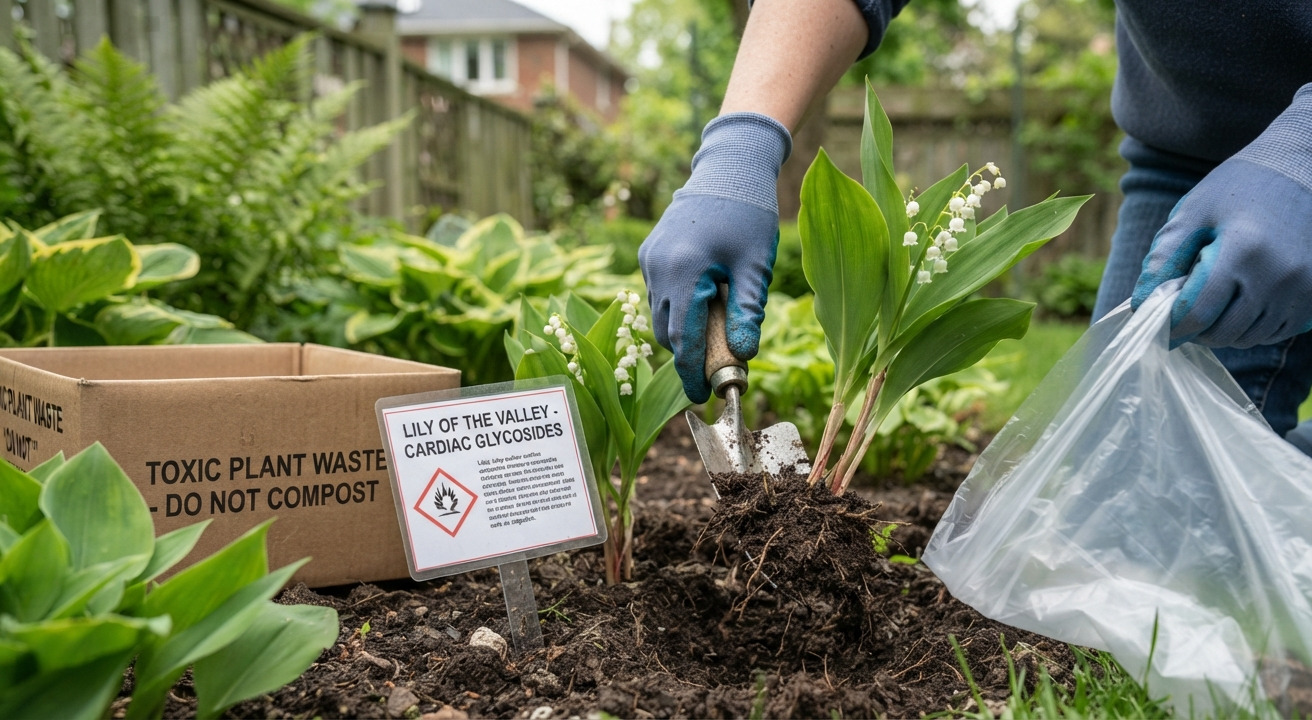
Lily of the Valley: Famous for its sweet bells and toxic cardiac glycosides, consumption can cause dizziness, vomiting, rashes, diarrhea, and even death.
-
Foxglove: Bell-shaped blooms entice kids, but contain heart-regulating compounds. Eating them is compared to taking an unregulated dose of heart medicine.
-
Lilies: Lilies from the Hemerocallis family, such as tiger and daylilies, are very dangerous for cats. Eating even a small amount can cause serious kidney failure or death.
-
Dieffenbachia (Dumb Cane / Elephant Ear): Can become dangerous if ingested, causing airways to swell shut, while simply brushing against it causes burning and itching.
-
Daffodil: The bulbs are the most poisonous part, posing a threat to dogs who like to dig, potentially causing vomiting, tremors, and cardiac arrhythmia.
-
Hydrangea: Ingesting parts of this popular garden shrub can lead to severe gastrointestinal distress and lethargy in pets.
-
Rhododendron and Azalea: Ingesting a flower, stem, or leaf of these picture-perfect shrubs can lead to abdominal pain, difficulty breathing, paralysis, and coma.
-
Philodendron: Trendy houseplants whose sap irritates skin and mouths, resulting in throat swelling, breathing difficulties, and stomach upset.
Skin Irritants and Vines
-
Poison Ivy: Contains a sap called urushiol that triggers blisters and itchy rashes. The sap remains active for years even after the plant has been cut down or died in winter.
-
Virginia Creeper: Causes skin irritation, blisters, and rashes upon contact, along with digestive issues if the leaves, berries, or sap are ingested.
-
Wild Parsnip: Found by roadsides; its sap causes severe rashes, blisters, and skin discoloration when exposed to sunlight.
-
Stinging Nettle: Needle-like hairs on leaves and stems inject formic acid into the skin, causing an intense burning and itchy rash.
-
Giant Hogweed: Its clear, watery sap contains toxic chemicals that make skin extremely sensitive to sunlight, leading to severe sunburns and deep blisters.
-
Cotoneaster: Birds love the vibrant berries, but the plant can be extremely poisonous to humans, cats, and dogs.
-
Night Blooming Jasmine: An invasive species whose exposure leads to vomiting and seizures in pets.
-
Chinese Lanterns: Leaves and immature fruit are toxic, though dry pods are sometimes used in holiday wreaths.
-
Yellow Dock: Unsafe when raw and uncooked, causing breathing difficulties and heart issues, and unsafe for dogs.
-
Tobacco: Contains nicotine and anabasine, which are fatal when eaten.
-
Wisteria: Seed pods are toxic to dogs, cats, and horses, causing vomiting or diarrhea.
-
Mistletoe: A holiday staple that can cause digestive problems, slowed heartbeats, and hallucinogenic effects in humans in large doses, and poses severe risks to pets.
-
Rhubarb: While the stems make delicious pies, the leaves contain high concentrations of oxalic acid that can shut down kidneys if eaten in large amounts.
READ: Mixed-Breed Dogs You’ll Fall in Love With: Why Mutts and Designer Pups Steal Our Hearts
Frequently Asked Questions (FAQs) About Poisonous Plants
-
What are the most common symptoms of plant poisoning in pets? If your pet eats a toxic plant, look for these signs: excessive drooling, vomiting, diarrhea, tiredness, trouble breathing, and unsteady movements. If you think your pet has eaten a poisonous plant, contact your veterinarian or an animal poison control center right away.
-
Are all parts of a poisonous plant dangerous? Many plants have toxic parts, and the danger is often focused in specific areas. For example, Amaryllis and Daffodils are most toxic in their bulbs. The Castor Oil Plant is mainly dangerous because of its seeds. With the English Yew, the flesh of the berry is less harmful than the toxic seed inside. To be safe, it’s best to treat all parts of the plant with caution.
-
Can poisonous plants harm you just by touching them? Yes, certain plants contain sap, hairs, or oils that cause localized skin reactions upon contact. Plants like Poison Ivy, Virginia Creeper, Giant Hogweed, and Wild Parsnip secrete irritants or photo-toxic chemicals (like urushiol) that lead to painful rashes, blistering, or severe skin sensitivity to sunlight. Always wear gloves and long sleeves when handling unfamiliar garden growth.
-
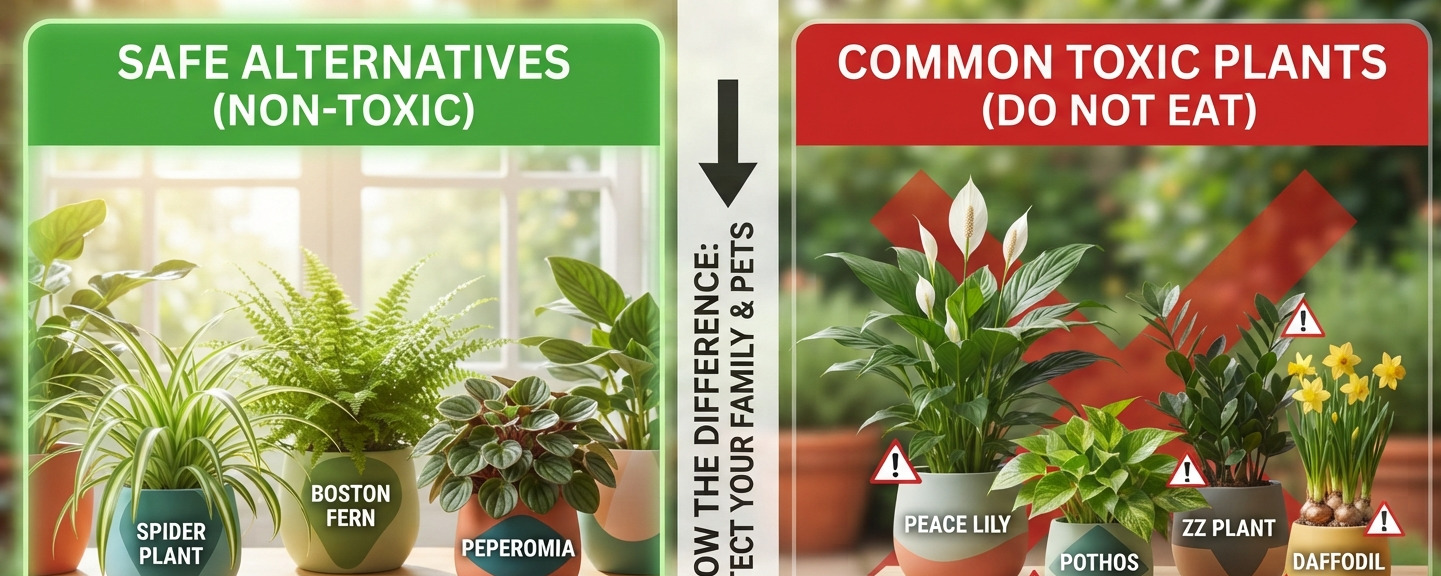
How can I make my garden and home safe for children and pets? First, check your indoor and outdoor plants using a reliable toxicity database. Remove any high-risk plants, especially dangerous ones like Monkshood, Oleander, and Water Hemlock, from places where children or pets can access them. If you have curious toddlers or pets, choose safer plants like Spider Plants, Boston Ferns, or African Violets instead.