
‘Pride Is in His Blood’: Kola Olaiya Sparks Fierce Nollywood Debate Over Pete Edochie and Nigeria’s Theatre Pioneers
The ongoing conversation about Nollywood seniority has ignited a fresh wave of nostalgia and debate across Nigeria, putting classic theatre history back in the spotlight
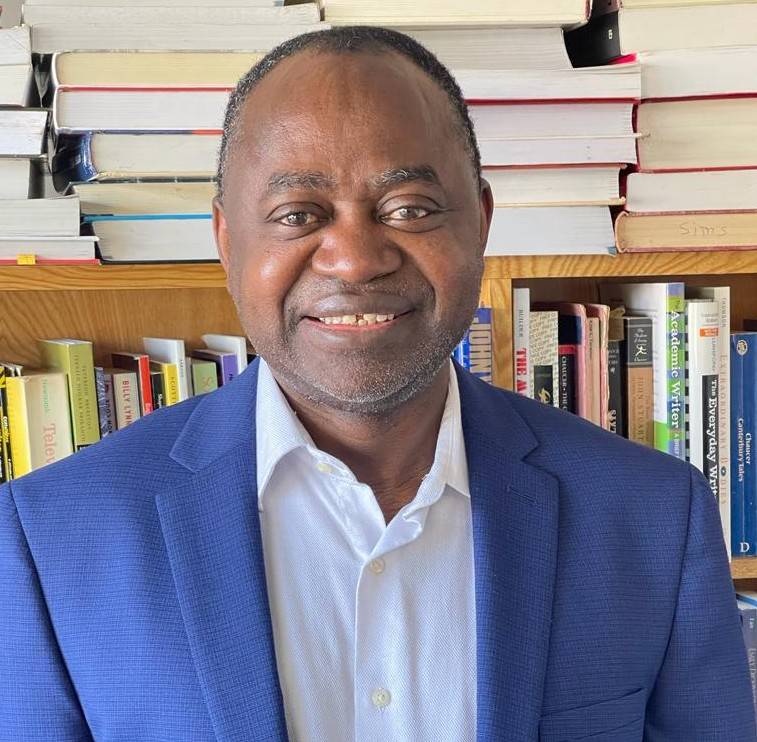
If you thought Nollywood was all about glitz, glamour, and box office weekend tallies, think again. Nigerian entertainment history is currently going through a major, soul-searching rewind—and veterans are leading the charge.
The latest chapter in this unfolding drama involves veteran actor Kola Olaiya, who recently took a sharp swipe at Nollywood icon Pete Edochie. In a revealing interview with Oyinmomo TV, Olaiya didn’t mince words, claiming that “Pride Is in His Blood” and accusing the legendary actor of turning a blind eye to the true founding fathers of Nigerian theatre.
Where the Fire Started: A Clash of Timelines
To truly understand why Kola Olaiya’s comments have set Nigerian social media and blogs on fire, we have to look back at how this seniority debate kicked off.
It all started when Pete Edochie made an appearance on the popular podcast Curiosity Made Me Ask, hosted by comedian Isbae U. On the show, the revered actor stated that his journey in the entertainment industry began way back in 1962 when he was just 15 years old, pointing to a stage adaptation of Shakespeare’s The Merchant of Venice. He also cemented his legendary status by referencing his immortal portrayal of Okonkwo in Chinua Achebe’s Things Fall Apart.
Edochie threw down a gauntlet, challenging anyone who claimed to have started before him to step up.
Well, step up they did. Fellow Yoruba theatre veteran Lere Paimo was quick to respond in September, noting that he started acting professionally in 1958—four years ahead of Edochie.
Now, Kola Olaiya has taken things a step further, dragging historical timelines and foundational respect into the mix.
“Before Pete Was Born, Ogunde Was Acting”
Speaking with Oyinmomo TV, Kola Olaiya argued that while Pete Edochie might hold unmatched seniority in his immediate region, claiming national supremacy is a step too far.
Olaiya emphasized that English-language television and the modern home video era did not mark the beginning of Nigerian acting. Instead, he pointed to the trailblazers of the Yoruba travelling theatre movement.
“I have known him for long that pride is in his blood. That is why he cannot pay homage to the elders that made him,” Olaiya stated.
To back up his stance, Olaiya listed the true titans who paved the way for modern actors:
-
Hubert Ogunde: Began his legendary theatre career in 1944 after resigning from the police force, producing films and recording songs long before Edochie was even born.
-
Oyin Adejobi
-
Duro Ladipo
-
Kola Ogunmola
After dropping these historical heavyweights, Olaiya posed a rhetorical question that has since become the talk of the town: “Where was Pete then?”
Why This Debate Matters: Preserving Nigeria’s Entertainment Heritage
Beyond the juicy headlines and celebrity friction, this ongoing row touches on a crucial cultural conversation: How does Nigeria preserve and honor its film history?
For decades, the narrative has often skewed heavily toward the explosive rise of the home video era in the early 1990s. However, brilliant stage plays, traveling troupes, and celluloid masterpieces by legends like Hubert Ogunde laid the absolute bedrock for today’s booming global industry—which now sees massive hits like Jagun Jagun 2: War of Warriors capturing international audiences on streaming platforms.
For passionate fans of African cinema, this isn’t just a petty feud. It’s a vital reminder that respect, historical accuracy, and due recognition must be given to the pioneers who sweated on stages under flickering lanterns long before multi-million-naira budgets and global streaming deals existed.
READ: Sarkodie Drops Unfiltered Truth on O2 Arena Doubts & The Jollof Feud—And Fans Can’t Look Away
Has Pete Edochie Responded?
As of the time of writing, the 79-year-old Pete Edochie has maintained a stoic silence regarding Kola Olaiya’s remarks. Known for his profound wisdom, dignified carriage, and legendary proverbs, the veteran has yet to reply.
Whether he chooses to address the controversy or let history speak for itself, one thing is certain: Nigerians deeply care about their entertainment royalty.
What are your thoughts on this seniority clash? Do you think regional milestones should be separated from national titles, or is it time for a massive historical overhaul in Nollywood? Drop your thoughts in the comments below!


