
Healthiest Energy Drinks: Nutritionists’ Advice on Drinks to Power Your Day
Nutritionists Reveal the Healthiest Energy Drinks for Sustained, Clean Focus
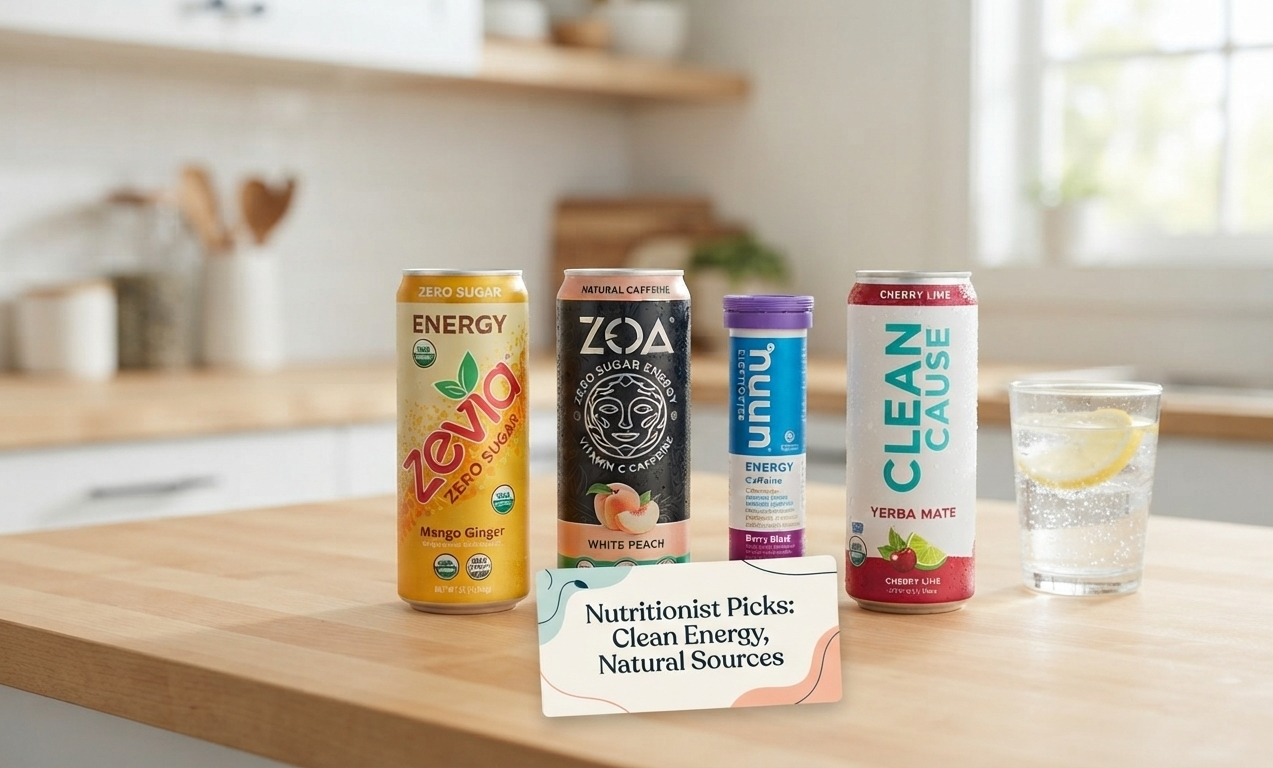
We’ve all experienced that 3:00 PM slump. Your eyelids feel heavy, and the deadline ahead seems impossible. You might reach for an energy drink, hoping it will help. But when the caffeine kicks in, you might feel jittery and anxious, followed by a tiring crash an hour later.
I remember having my own “energy crisis” a few years ago. I was balancing a new job while training for a half-marathon. I often relied on sugary, bright energy drinks to power through the afternoon. By 5:00 PM, I felt not just tired but completely burnt out, irritable, and unable to sleep at night. I learned from a nutritionist that I was borrowing energy from tomorrow to get through today.
True, lasting energy does not come from a can. It comes from getting enough sleep, staying hydrated (plain water is important!), and eating a balanced diet. However, if you need a boost on tough days, there are healthier energy drink options. Here is expert advice on selecting energy drinks that give you a steady boost without the negative effects.
Understanding the Caffeine Limit
The FDA recommends that most adults limit their caffeine intake to 400 milligrams per day, which is about four to five cups of coffee. The problem is that many regular energy drinks contain as much caffeine as this in just one can. These drinks can also have artificial dyes and a lot of added sugar.
Registered Dietitian Anita Mirchandani, M.S., R.D., C.D.N., says, “For some people, an energy drink can give a quick boost but may lead to a crash afterward. It’s important to know how much caffeine you can handle.”
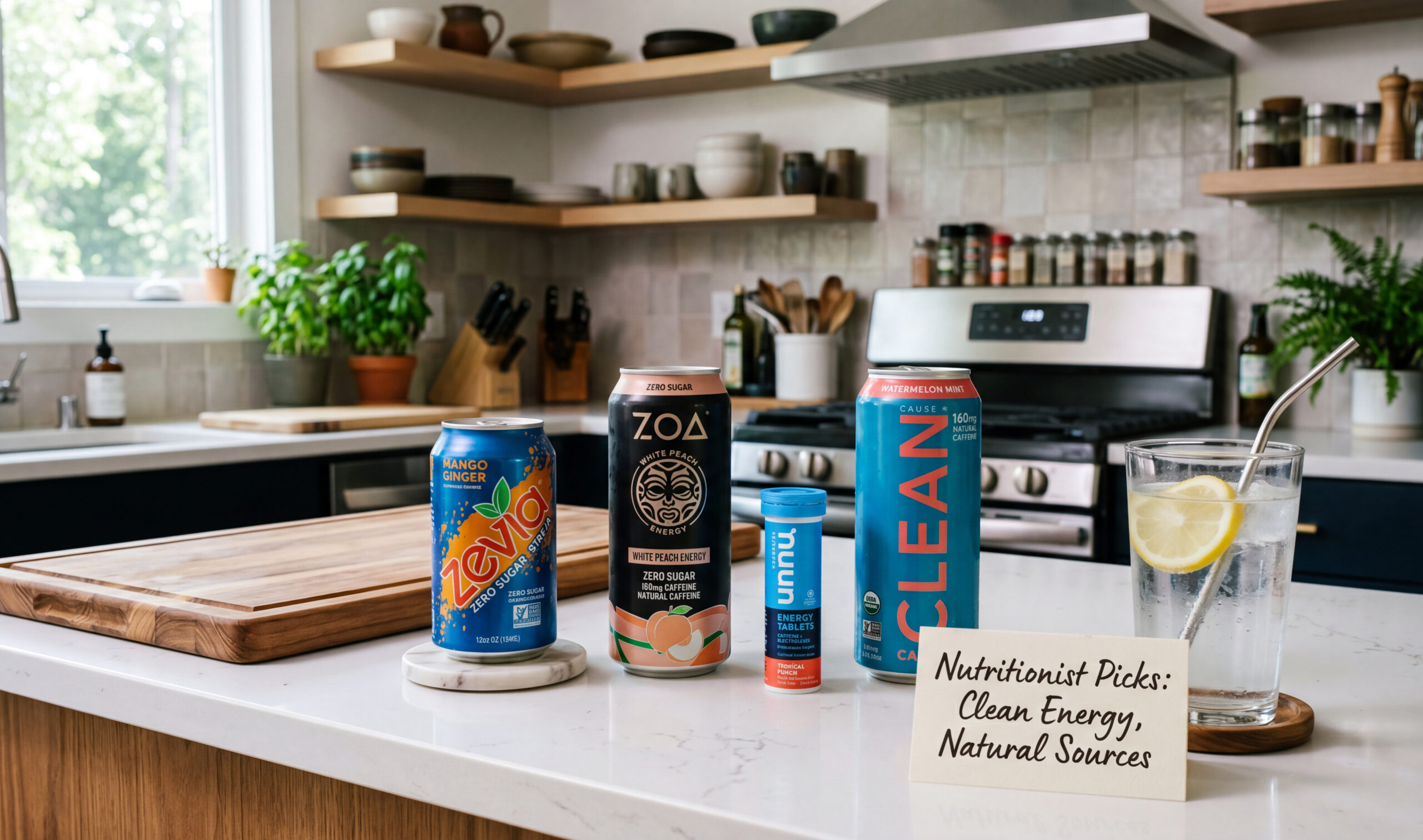
Our Top Nutritionist-Approved Picks
If you want a boost, choose natural sources of caffeine and avoid added ingredients. Here are the top options:
1. Best Overall: Zevia Zero Sugar Energy Drink
If you want to avoid artificial colors and preservatives, this product is for you. It is verified by the Non-GMO Project and contains organic caffeine from green tea leaves.
-
The Vibe: Tropical flavors like Pineapple Paradise.
-
Why it wins: It has 120 mg of caffeine and 0 grams of sugar, making it a clean, simple choice for that mid-afternoon slump.
2. Best Tasting: ZOA Zero Sugar Energy Drink
Dwayne “The Rock” Johnson created these drinks, which are popular for their bold flavors.
-
The Vibe: White Peach and Tropical Punch.
-
Why it wins: It provides 160 mg of natural caffeine plus branched-chain amino acids (BCAAs) for muscle support, B vitamins, and 100% of your daily vitamin C.
3. Best Tablets: Nuun Energy Tablets
Perfect for the traveler or the person who prefers to control their own brew.
-
The Vibe: Drop one in 16 ounces of water.
-
Why it wins: It’s a convenient, portable way to get 80 mg of caffeine paired with electrolytes. No shaker bottle needed!
4. Best with Yerba Mate: Clean Cause
Yerba Mate is a plant from South America that gives a smooth boost of energy naturally.
-
The Vibe: Crisp and refreshing.
-
The Mission: 50% of net profits fund alcohol and drug addiction recovery programs—a boost for your energy and your conscience.
How to Choose Like a Pro
When you look at the shelves, avoid picking the shiniest can right away. Instead, follow this checklist from our nutrition experts:
-
Check the Caffeine Source: Look for naturally derived caffeine (green tea, yerba mate, coffee) rather than synthetic, lab-made caffeine.
-
Sugar Watch: Aim for 8 grams or less per can. If you choose “zero sugar,” be mindful of the sweeteners used (like sucralose or stevia) and how your stomach reacts to them.
-
Portion Control: Always check if the can contains more than one serving. It’s easy to double your caffeine intake without realizing it.
-
Avoid the “Add-Ins”: Steer clear of drinks with artificial food dyes.
A Note of Caution
These options may be healthier, but they aren’t suitable for everyone. The CDC and the American Academy of Pediatrics recommend that children and teens avoid energy drinks completely. If you are pregnant, breastfeeding, have heart issues, or take medications like antidepressants or blood thinners, talk to your doctor before adding these drinks to your routine.
The Bottom Line: Think of an energy drink as a “spare tire”—it helps you reach your goal but shouldn’t be your daily fuel. Focus on getting enough sleep and eating well. Save energy drinks for the days when you really need a boost.
ALSO CHECKOUT: Mind-Bending Mandela Effect Examples: Why Our Memories Deceive Us
Frequently Asked Questions (FAQ)
If you’re shopping for energy drinks, you’re not alone. Here are some common questions about how to safely add energy drinks to your daily routine.
Are energy drinks actually bad for you?
The safety of energy drinks depends on their ingredients and how often you use them. Many regular energy drinks have a lot of synthetic caffeine, added sugars, and artificial colors. However, “cleaner” options that use natural caffeine sources like green tea or yerba mate and have little to no sugar can be a better choice for occasional use. The main danger comes from drinking too much and using energy drinks instead of getting enough sleep and nutrition.
How much caffeine is too much in a single day?
The FDA recommends that most healthy adults limit their caffeine intake to 400 milligrams per day. This limit includes caffeine from all sources, such as coffee, tea, soda, chocolate, and energy drinks. If you are sensitive to caffeine, you may feel jittery or anxious even after consuming just half that amount.
What is the difference between natural and synthetic caffeine?
Natural caffeine comes from plants like coffee beans, cacao, and yerba mate. It often contains other beneficial nutrients. Synthetic caffeine, on the other hand, is made in a lab. Because it is more concentrated and lacks these plant nutrients, the body absorbs synthetic caffeine more quickly. This can cause a quick energy boost, but it is usually followed by a faster and stronger crash.
Can I drink energy drinks every day?
Nutritionists usually recommend not using energy drinks every day. They are best for occasional use when you have a demanding day ahead. If you find that you need an energy drink just to get through the day, it might be time to look at your sleep habits, hydration, and overall diet.
Who should strictly avoid energy drinks?
Energy drinks should be avoided by:
-
Children and Adolescents: The American Academy of Pediatrics does not recommend them for this age group.
-
Pregnant or Breastfeeding individuals: Consult with your OB-GYN first.
-
Individuals with Heart Conditions: High caffeine intake can increase heart rate and blood pressure.
-
Those on Specific Medications: If you take stimulants, anxiety medications, antidepressants, or blood thinners, caffeine can cause serious problems. Always check with your doctor.
Do you have a favorite way to get through the afternoon slump without using caffeine? Or are you looking for a clean-energy option for your daily routine?
Disclaimer: This article is for your information only and is not medical advice. Always talk to a healthcare professional before making big changes to your diet or caffeine intake.