
AI Just Created a Brand New Virus: Science Fiction or Our New Reality?
A US team of scientists has used artificial intelligence to build entirely new viruses from scratch. Experts explain what this breakthrough means for the future of medicine, antibiotic resistance, and global biosecurity
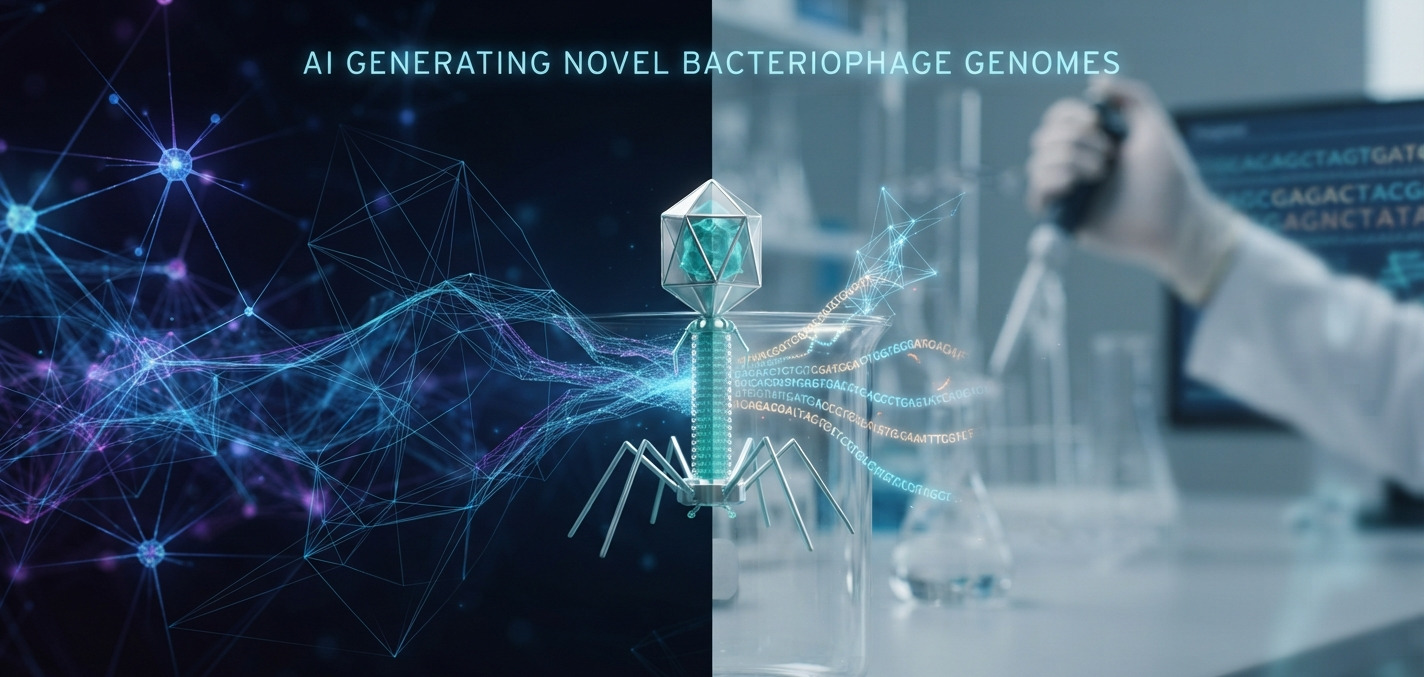
It sounds like the start of a thrilling summer movie. You’re in the theater, popcorn ready, as the screen flashes: “AI just created a brand new virus.” You pause, waiting for the excitement to begin. But this isn’t just a movie plot—it’s what’s happening in 2026.
Recently, researchers in the United States achieved a big milestone. For the first time, they used artificial intelligence to create new viruses that don’t exist in nature. While the news may sound scary, the story is more complex and interesting—and it could even help save lives.
A Short Story: The Digital Architect
Imagine a skilled architect who has spent years studying every building ever designed. One day, they decide to create a completely new house, not by drawing it, but by telling a computer the basic principles of architecture.
That’s what these researchers did. They viewed genetic code as a form of language. Just like we use AI to guess the next word in a sentence, scientists used these models to learn the “language of life” from existing data about viruses, bacteria, and humans. Their goal was not to create a danger; they aimed to tackle one of medicine’s biggest challenges: antibiotic resistance.
What Exactly Happened?
The researchers focused their AI on a specific type of virus called a bacteriophage (or “phage”). These are not dangerous to humans. In fact, their only job in nature is to infect and kill specific types of bacteria.
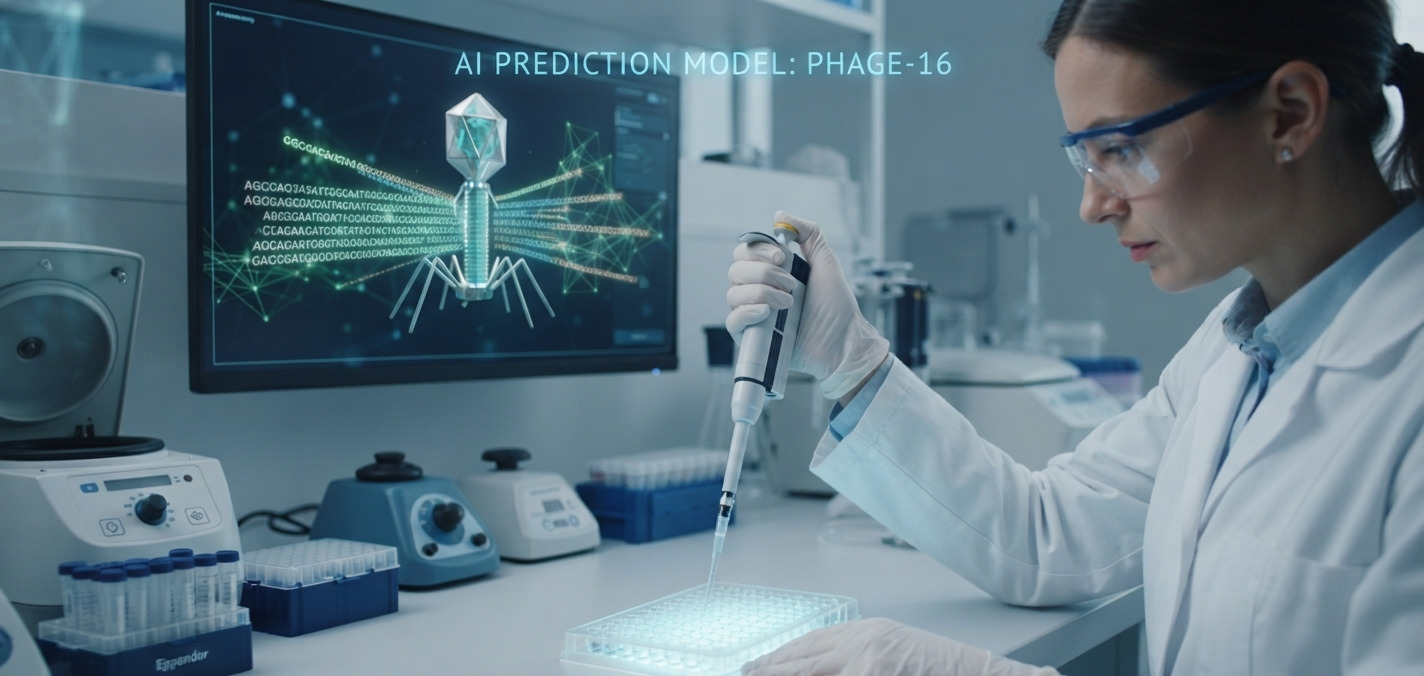
The results? The AI generated potential genetic blueprints, and the scientists selected 300 of the most promising designs to test in a laboratory. Remarkably, 16 of those designs worked perfectly. These lab-made viruses successfully infected and replicated within bacteria, acting exactly as the AI predicted.
Should We Be Scared?
It’s natural to feel a shiver of anxiety when you hear “AI” and “virus” in the same sentence. However, experts are clear: this specific research poses no risk to human health.
The goal here is a breakthrough in medicine. As bacteria evolve and become resistant to our current antibiotics, we are running out of ways to treat common infections. By using AI to create new “phages,” we might soon have a precision tool to wipe out drug-resistant bacteria that traditional medicine can no longer touch.
The Security Tightrope
While the benefits of this technology are significant, experts are discussing its future. Dr. Simon Clark, a microbiologist, explains that while current AI models are safe, they show we can create synthetic life. The worry isn’t about today’s researchers, who follow strict regulations, but about the risk that others might misuse similar models. This highlights the need for us to improve our biosafety measures as our digital skills advance.
TREND: UK Immigration Protests: Kent Crowds Chant ‘You’re Going Back!’ Amid Rising Tensions
The Big Picture
Right now, AI in healthcare mainly focuses on everyday tasks that are important, like writing down doctor’s notes or analyzing mammogram scans to help detect cancer better. The recent experiment with viruses is a significant first step. It shows we are moving into a time where we can create cures using computers, not just find them in nature.
When you read headlines about AI and viruses, remember: it’s not only about what computers can do. It’s also about how we choose to use this powerful tool to protect our future.
Video Source: AI just created a brand new virus. Should we be scared? | BBC News