
Erin Brockovich and the Fight for Data Center Transparency: Why Your Community Needs to Know
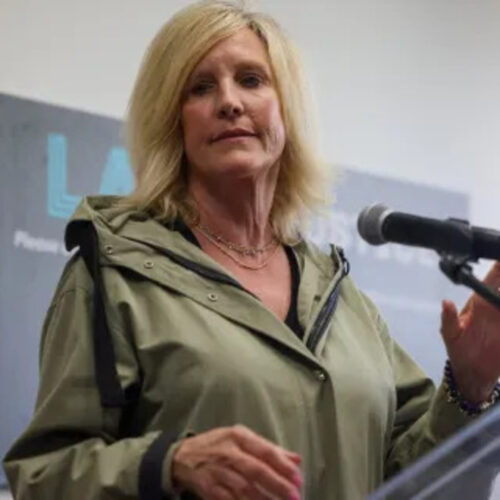
Erin Brockovich and the Fight for Data Center Transparency: Why Your Community Needs to Know
In the early 2000s, Erin Brockovich became well-known for standing up against a big company to help a small community in California. Today, she is focusing on a new issue: the large, energy-hungry data centers that support our digital lives. As the push for Erin Brockovich data center transparency gains momentum, residents across the United States are waking up to a reality where their backyards are being transformed without their input.
The New Frontier: Why Data Centers Are Under Fire
We live in a time of cloud computing, streaming, and AI development. While these technologies seem intangible, they need real physical support: large data centers.
These centers use a lot of energy. In 2023, data from the Lawrence Berkeley National Laboratory shows that U.S. data centers consumed 176 terawatt-hours of energy, which is 4.4% of the country’s annual energy use. This amount has more than doubled since 2018.
But it isn’t just the energy usage that has communities worried. It is the lack of transparency.
The Hidden Cost of the Digital Age
As Brockovich highlights through her project, Brockovich AI Data Center Reporting, the core issue isn’t necessarily the existence of data centers, but the “covert tactics” used to push them through local zoning boards.
From Louisiana to Utah, the story remains the same:
-
Lack of Notification: In places like Holly Ridge, Louisiana, residents reported being completely unaware of massive projects—like Meta’s proposed $27 billion Hyperion data center—until it was far too late.
-
The “Done Deal” Mentality: In Box Elder County, Utah, citizens were effectively told to “grow up” by officials during a public hearing for a massive project, only for the decision to be finalized in a closed-door session.
-
Resource Strain: Beyond the noise, these facilities can strain local water supplies for cooling and potentially hike average U.S. electricity bills by up to 8% by 2030, according to Carnegie Mellon University.
What “Erin Brockovich Data Center Transparency” Actually Means
Brockovich is calling for a fundamental shift in how corporations and local governments interact with the public. Her initiative, brockovichdatacenter.com, has become a hub for residents to report and track developments, with nearly 4,000 reports already filed across almost every state.
True transparency, according to her mission, includes:
-
Early Notification: Residents must be informed before zoning variances are granted or projects are approved.
-
Full Disclosure: Companies must provide clear, accessible data on water usage, projected energy consumption, and long-term noise impacts.
-
Accountability: Elected officials should prioritize their constituents’ quality of life over corporate tax breaks.
How You Can Get Involved
If you are concerned about development in your own community, the first step is information. The trend of “dark” permitting is growing, but it thrives on public apathy.
-
Visit the Source: Check brockovichdatacenter.com to see if your region is on the map or to report a new development.
-
Attend Local Meetings: Don’t wait for an official notice. Regularly check your local county or city council agendas for terms like “hyperscale,” “data center,” or “utility zoning.”
-
Demand Data: If a project is proposed, ask for the Environmental Impact Report (EIR). Demand to know the specific impact on local grid reliability and water table levels.
The Bottom Line
Data centers are important for today’s economy, but they should not be built through dishonest practices. By pushing for transparency in data centers, people can make sure that progress does not harm their community’s health, resources, or voices.
It is time to bring the data center industry into the open and hold it accountable to the public.
Disclaimer: This article provides information only. For the latest details on data center projects, check your local government’s official planning department and reliable activist groups.