
Fade with Confidence: Finding the Best Dark Spot Correctors That Actually Work
We Put the Most Popular Dark Spot Correctors to the Test—Here’s What Actually Works
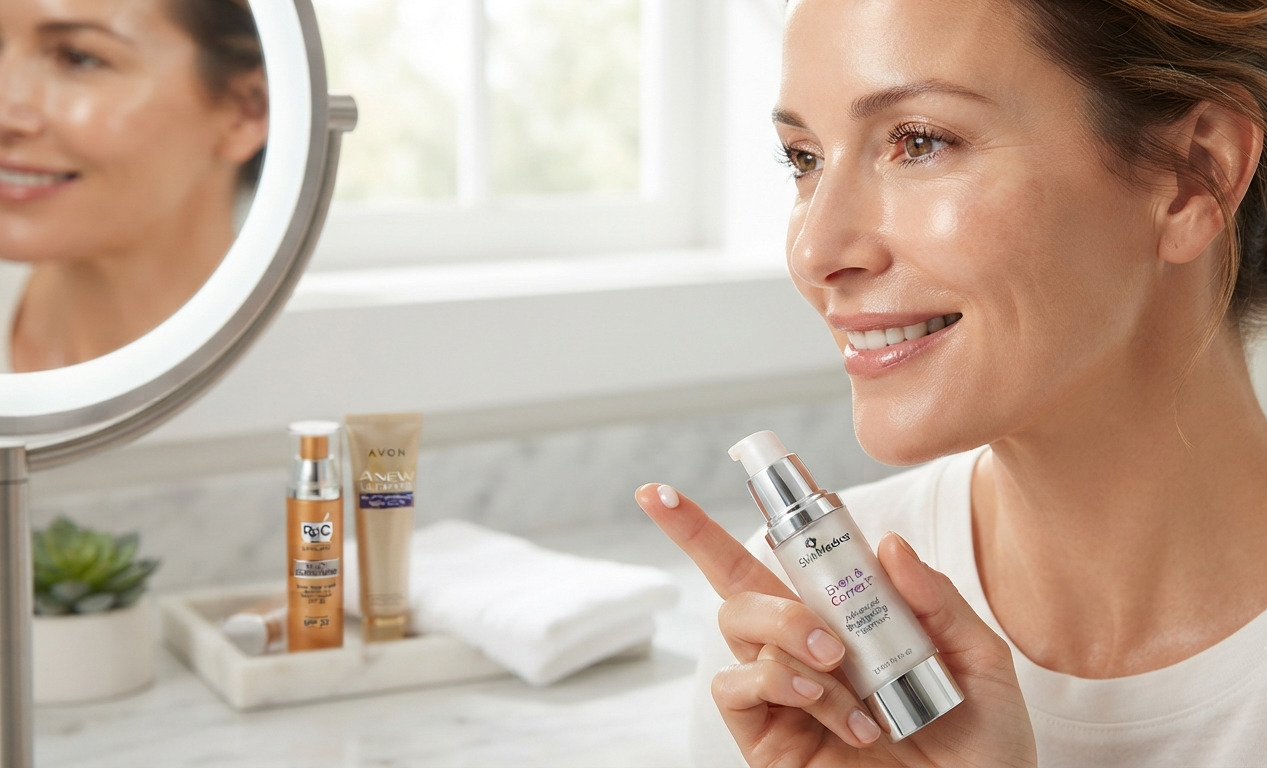
We’ve all had that moment. You stand in front of the bathroom mirror, and the morning light shines directly on your face. You notice the shadows, which could be from a sunny vacation years ago or the leftover marks from a breakout that has finally cleared up. Whether you call them sun spots, age spots, or hyperpigmentation, they can hurt your confidence.
I remember my own experience with hyperpigmentation. I was preparing for a friend’s wedding and wanted to wear a bold red lip. But when I looked in the mirror, I kept reaching for heavy concealer. I spent twenty minutes trying to cover up brown spots on my cheeks, feeling like I was painting a wall instead of getting ready. It’s frustrating when you just want to feel like yourself without the extra layers.
If you’ve been looking for a way to restore your glow, you’re in the right place. We’ve reviewed lab data and expert opinions to find dark spot correctors that truly work and give visible results.
What Exactly Are Dark Spot Correctors?
Dark spot correctors help lighten skin problems like dark spots from acne, sun damage, or uneven skin tone. Alan J. Parks, M.D., a dermatologist and founder of DermWarehouse, explains this.
These products work by:
-
Inhibiting Tyrosinase: They block the enzyme responsible for melanin (pigment) production.
-
Speeding Cell Turnover: By helping dead and damaged cells to shed more quickly, they allow new, healthy skin to appear.
Our Lab-Tested Top Picks
To find effective products, scientists use tools like the Visia Complexion Analyzer to monitor skin tone changes over weeks. Here are the top performers:
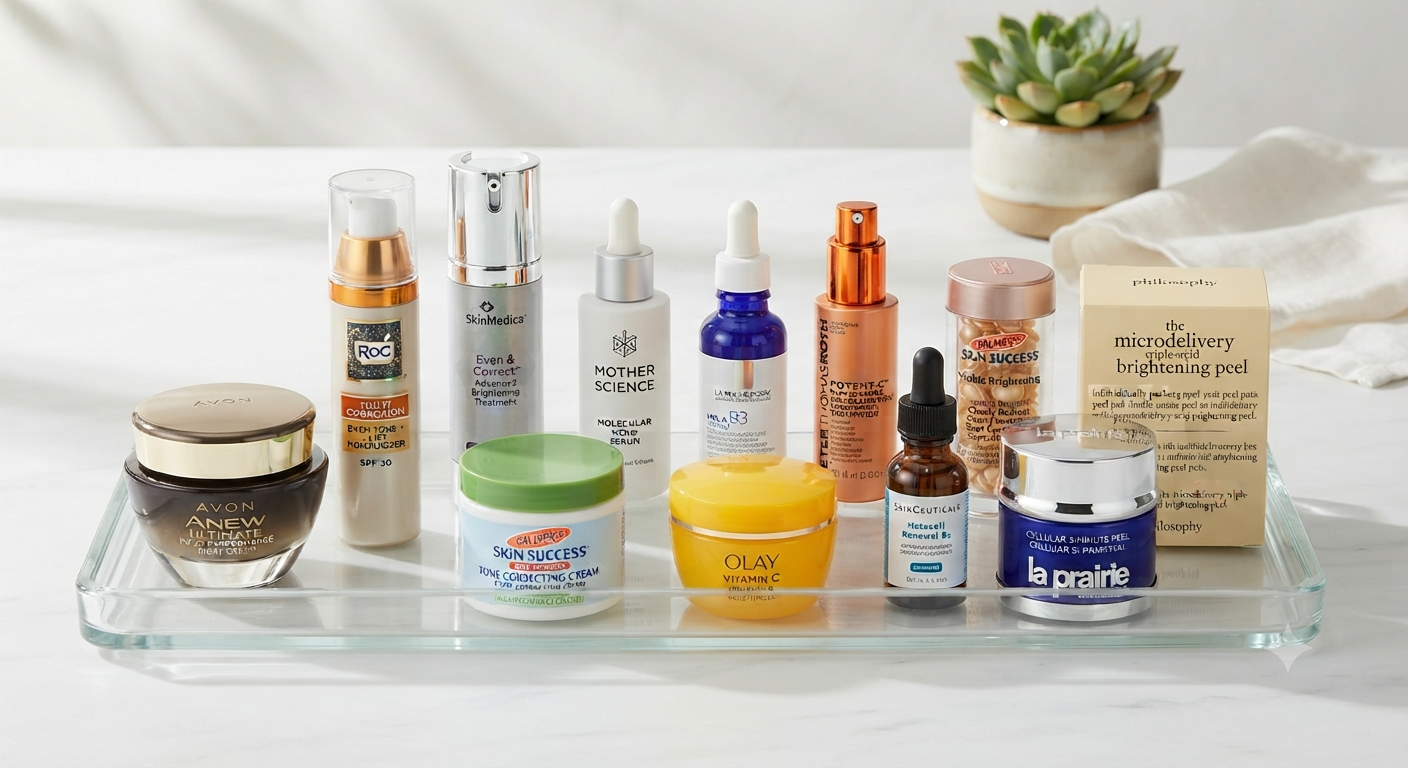
1. Best Overall: Avon Anew Ultimate Multi-Performance Night Cream
-
Why it wins: It reduced dark spots by 12% in just four weeks.
-
The Vibe: Rich and luxurious. It excels at firming and deep hydration.
-
Note: If you are sensitive to fragrance, this one has a distinct, strong scent.
2. Best Value: Roc Skincare Multi Correxion Even Tone + Lift Moisturizer SPF 30
-
Why it wins: A multitasker that firms, minimizes wrinkles, and protects with SPF.
-
The Result: A 4.5% reduction in visible spots after four weeks.
3. Best Serum: SkinMedica Even & Correct Advanced Brightening Treatment
-
Why it wins: This is a powerhouse for evening out skin tone and boosting radiance.
-
The Result: A fan-favorite that testers noticed results from in as little as two weeks.
4. Best for Sensitive Skin: Mother Science Molecular Hero Serum
-
Why it wins: Uses a breakthrough molecule called malassezin to brighten without the typical irritation associated with acids.
-
The Vibe: Fragrance-free and lightweight—perfect for those who usually have reactive skin.
| Product | Best For | Key Ingredients |
| Topicals Faded Brightening & Clearing Serum | Post-Acne Marks | Tranexamic Acid, Kojic Acid, Azelaic Acid |
| Neutrogena Rapid Tone Repair Serum | Budget-Friendly Results | Retinol, Vitamin C |
| Caudalie Vinoperfect Brightening Serum | Melanin-Rich Skin | Viniferine (Grapevine Extract) |
| SkinCeuticals Discoloration Defense | Stubborn Discoloration | Tranexamic Acid, Kojic Acid, Niacinamide |
| Avène Retrinal 0.1 Intensive Cream | Sensitive/Reactive Skin | Retinaldehyde |
| The Ordinary Alpha Arbutin 2% + HA | Targeted Brightening | Alpha Arbutin, Hyaluronic Acid |
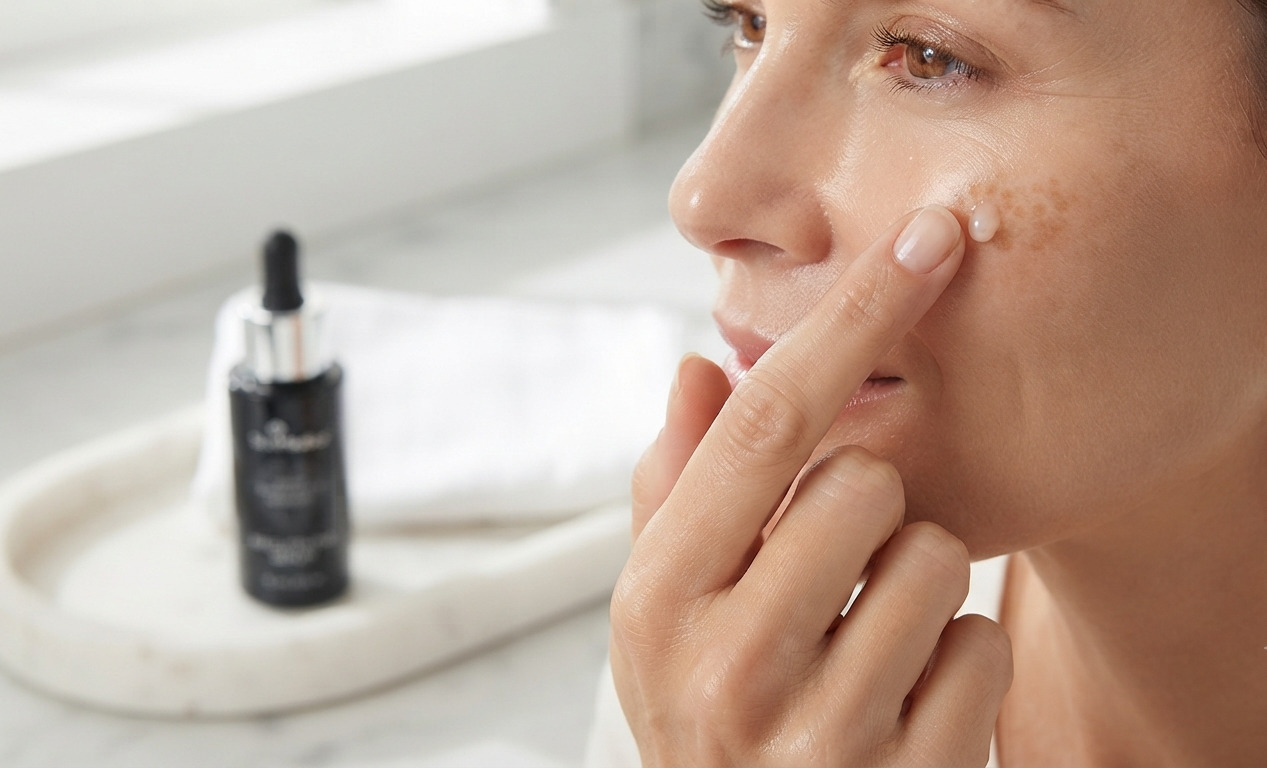
Why These Products Made the Cut
-
Targeted Action: Products like Topicals Faded and SkinCeuticals Discoloration Defense are popular with dermatologists. They contain powerful ingredients like tranexamic and kojic acid. This combination works better to reduce pigment production than using just one ingredient.
-
Gentle Alternatives: If you find standard retinoids too harsh for your skin, try Avène Retrinal. It uses retinaldehyde, a gentle form of vitamin A that many sensitive skin types can handle better. This product helps your skin renew itself healthily.
-
Specific Concerns: Caudalie Vinoperfect is popular for its effectiveness on deeper skin tones. It offers a gentle way to fade dark spots without causing irritation, which can sometimes lead to more hyperpigmentation.
How to Build Your Routine for Results
If you want to see change, consistency is your best friend. Here is how to get the most out of your dark spot corrector:
-
The “One Month” Rule: Don’t give up after just one week! Whether you’re using a serum or a peel, these products need at least four weeks to show real improvement.
-
SPF is Non-Negotiable: “To prevent dark spots on your skin, it’s important to use sun protection,” says dermatologist Janelle Vega, M.D. Using a dark spot corrector without applying SPF 30 or higher every day is like trying to fill a bucket with a hole in the bottom.
-
Order Matters:
-
Serums/Liquids: Apply these first right after cleansing.
-
Creams/Lotions: Apply these after your serums.
-
When to See a Professional
At-home treatments work well for mild to moderate skin issues, but some spots are tougher to treat. If you see a spot that is changing shape, size, or color, visit a dermatologist for a professional skin check. They can provide more advanced treatments, like professional-grade lasers, if over-the-counter products don’t give you the results you want.
Remember: Your skin tells a story. Those spots are part of your history, but you don’t have to keep showing them if you don’t want to. Be patient, stay consistent, and let your skin heal at its own pace.
READ: The Magic of Brain Teasers: Why Clever Riddles for Smart Kids Are More Than Just Games
Frequently Asked Questions (FAQ) About Dark Spot Correctors
How long does it really take to see results?
While we all want a “magic eraser,” patience is key. Because these products work by encouraging skin cell turnover and interrupting melanin production, you typically need to commit to at least four to eight weeks of consistent daily use to see a visible reduction in the appearance of dark spots.
Can I use a dark spot corrector if I have sensitive skin?
Choose your skin care product carefully. Look for labels that say “fragrance-free” and “non-irritating.” Ingredients like niacinamide and malassezin are usually gentle on the skin. If your skin is very sensitive, start by using the product every other day. This will help your skin get used to it.
Why do my dark spots keep coming back?
The most common reason for recurring spots is sun exposure. UV rays stimulate your skin to produce more melanin, effectively “reactivating” the dark spots you are trying to fade. This is why daily, broad-spectrum SPF 30+ is the most important step in any brightening routine. Without it, you are essentially undoing the work your serum is doing.
Can these products help with hormonal dark spots (Melasma)?
Dark spot correctors can help brighten skin affected by melasma. However, melasma is often harder to treat than sun spots because it is linked to hormones. If you think you have melasma, it is best to see a dermatologist. They can recommend stronger creams or professional treatments for better results.
Is it safe to use a dark spot corrector with other actives like Retinol?
It depends on the product. Using a vitamin C serum in the morning and a retinol at night is a common and effective way to brighten skin and fight aging. However, if your dark spot corrector has strong exfoliating acids (like glycolic or salicylic acid), using it with a strong retinol could irritate your skin. Always try one new active ingredient at a time and see how your skin responds.
Disclaimer: This information is for learning and should not replace advice from a healthcare professional. Always do a patch test when trying new skincare ingredients.