
Get Rid of Ridges in Nails: Expert Tips for Smooth, Healthy Hands
Why your nail texture is changing overnight—and the dermatologist-approved fixes you need to know before reaching for a buffer
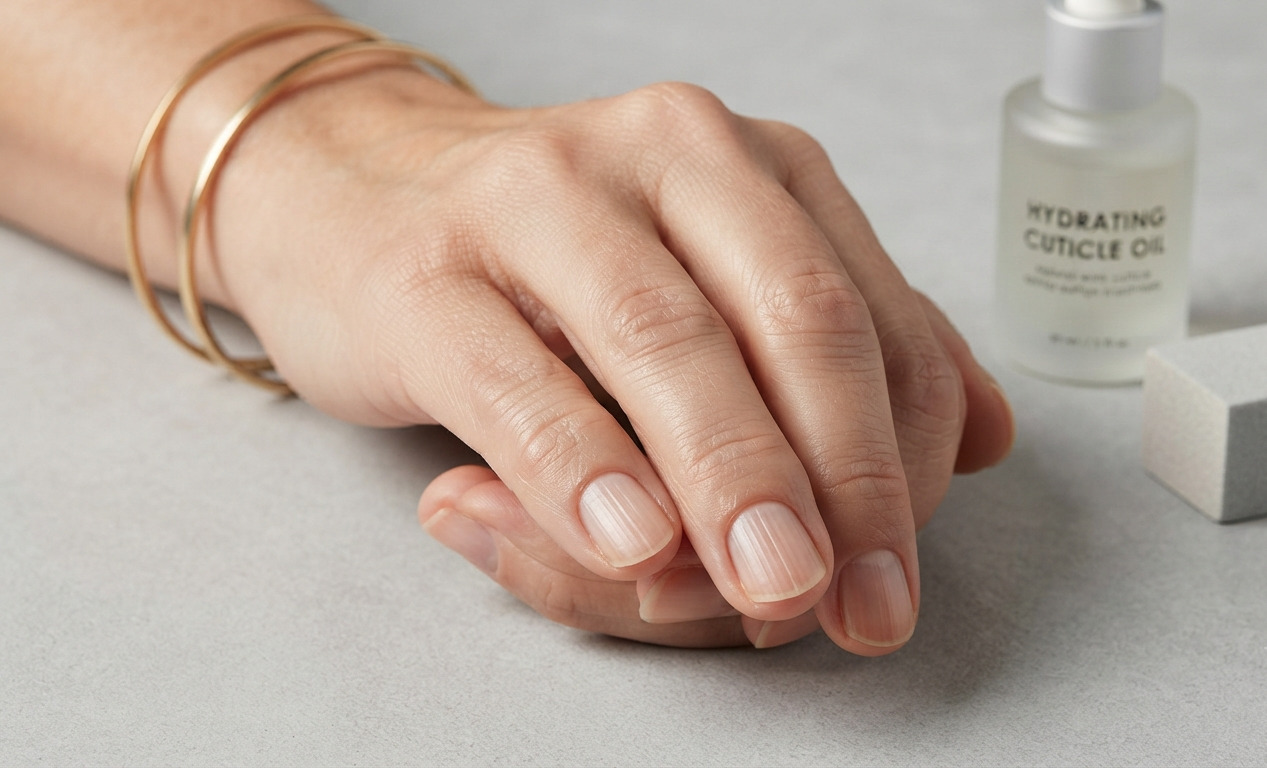
A fresh manicure is always satisfying. Whether you choose a simple nude color or a bright shade, putting on a new coat of polish can lift your mood right away. But that happiness can fade if you look at your bare nails under light and notice they are not as smooth as before. Instead of a shiny, flat surface, you might see tiny bumps, lines, or tracks.
Ridges in your fingernails are usually harmless. They can simply be a normal part of aging. However, they can sometimes signal a deeper issue in your body.
To help you understand what your nails might be telling you, top dermatologists explain the causes of nail ridging and offer tips to restore your nails’ natural smoothness.
A Relatable Story: The Sunday Night Manicure Panic
Imagine it’s a Sunday evening, and you’re sitting at your vanity preparing for the busy week ahead. You take your nail polish remover to clean off last week’s chipped color. As the cotton pad moves across your nails, you stop.
You hold your hand under the light. When you run your thumb over your index finger, you feel something unusual—a series of bumpy lines from your cuticle to the tip. Panic sets in. Did I hit my hand? Am I missing something in my diet? Will it stay like this forever?
Like many people, your first thought might be to grab a nail buffer and try to smooth it out. But experts warn against this. Rushing to buff your nails without knowing the cause can actually make things worse. Your nails reflect your overall health, so learning to understand them is important.
What Are Ridges in Fingernails?
“Ridges in the fingernails are vertical or horizontal depressions on the nail plate,” explains Angela Kim, D.O., a board-certified dermatologist practicing in Yuba City, California.
These lines generally fall into two distinct categories:
-
Longitudinal (Vertical) Ridges: Lines traveling straight from the cuticle to the free edge (tip) of your nail.
-
Transverse (Horizontal) Ridges: Lines extending horizontally from one side of the nail to the other.
Determining whether your ridges are vertical or horizontal gives you the first major clue about what is happening beneath the surface.
Causes of Vertical Ridges in Nails
If you notice lines running up and down your nail, take a deep breath.
“Just as your skin starts to show age-related changes such as thinning and sagging, nails also show signs of aging,” says Dr. Kim. “Longitudinal ridging of nails is usually age-related and usually nothing to worry about.”
However, aging isn’t the only culprit. Other potential triggers for vertical ridges include:
-
Decreased micro-circulation to the fingertips
-
Stripping the nail plate with harsh chemical solvents during frequent manicures
-
Specific dermatological conditions or, in rare cases, benign growths under the nail bed
Causes of Horizontal Ridges in Nails
Horizontal lines on nails, known as Beau’s lines, usually indicate a problem rather than normal aging. These lines often show that there has been a disruption or injury to the nail matrix, which is the tissue under the skin at the base of your nail. This is where new nail cells are made.
Dr. Kim explains that if you look at your thumb, the nail matrix is the area between the cuticle at the bottom of the nail and the joint in your thumb. If this area gets hurt from things like rough manicures, picking, or rubbing, or if it becomes inflamed due to conditions like eczema or psoriasis, horizontal lines may appear.
Additionally, health issues in the body can also affect the nail matrix. Dr. Saya Obayan, a dermatologist, points out that these horizontal ridges can be linked to underlying health conditions.
-
Recent high fevers or viral illnesses (such as the flu, measles, or mumps)
-
Nutritional and vitamin deficiencies (iron, zinc, calcium, B-complex vitamins, or vitamin C)
-
Medication reactions (including certain chemotherapies)
-
Chronic conditions like diabetes, kidney disease, parathyroid disease, heart disease, or lung disease
How to Get Rid of Nail Ridges
To treat nail ridges effectively, first, you need to identify what caused them. If the nail matrix suffers long-term injury, it can lead to lasting damage. That’s why early treatment is essential, according to Dr. Kim.
Consider these expert-backed solutions to smooth out your nail surface:
1. Address Underlying Health Conditions
The absolute first step to smoother nails is managing any internal health issues. As your overall systemic wellness improves, the health and appearance of your nail plates will follow suit.
2. Approach Supplements with Caution
Some nutrients help nails grow, but balance is important. “Vitamin A, vitamin B, biotin, iron, and zinc support normal nail growth, but you should take them in moderation,” Dr. Kim warns. “Taking too much of any vitamin can cause serious health problems. High levels of biotin can also affect thyroid tests and heart tests. Always talk to your doctor before taking high-dose supplements.”
3. Give Your Nails TLC
“Just as you would hydrate and care for damaged, dyed hair with conditioners, nails also need tender loving care,” says Dr. Kim. Keep your cuticles moisturized daily, resist the urge to bite or pick at your fingers, and take regular breaks from heavy manicures.
4. Invest in the Right Nail Hardener
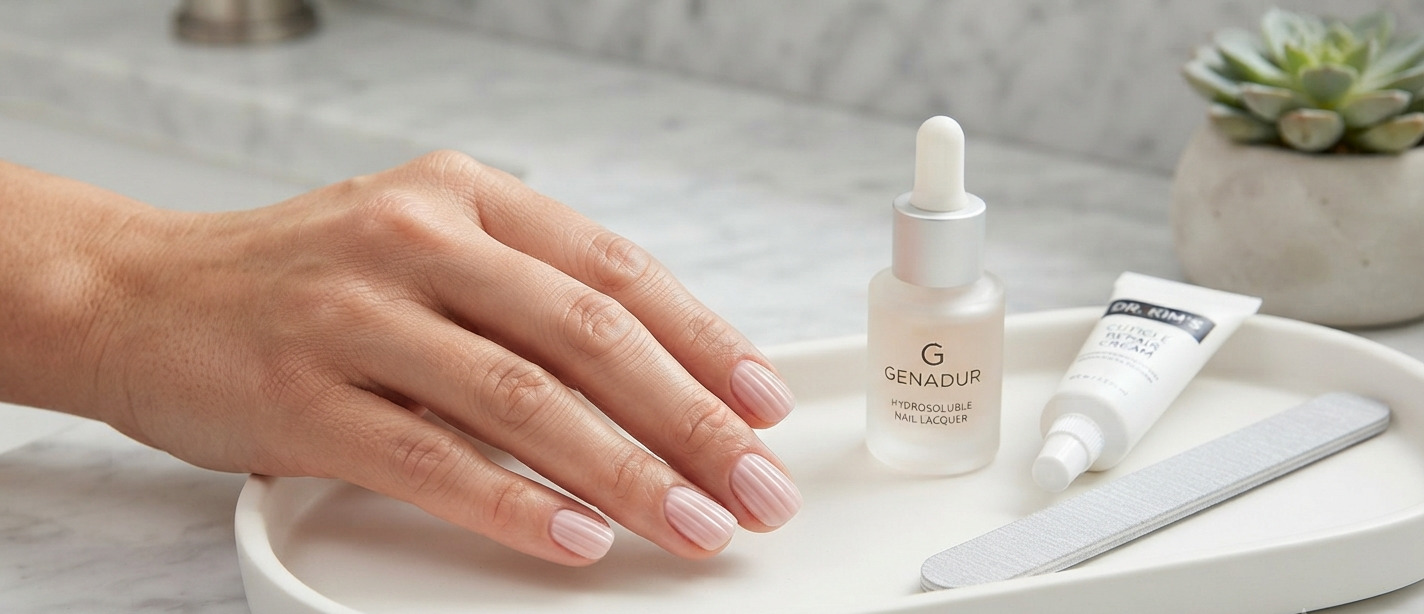
Dr. Obayan often prescribes a hardener called Genadur to help strengthen weak nails. “Genadur is a special nail polish that repairs damaged areas in the nail, like filling in little potholes,” she explains.
Prescription treatments can be expensive, so many people use over-the-counter options from trusted brands like Isdin, Sally Hansen, or Orly. However, keep in mind that most standard drug store hardeners only coat the surface and do not actually repair the nail structure.
5. Keep Buffing to a Minimum
It can be tempting to use a coarse file to smooth out your nail ridges. However, experts warn against doing this too much. Dr. Obayan says, “I generally don’t love buffing because it harms the nail plate, making it thinner and more likely to break.” If you decide to buff your nails, limit it to once or twice a month, and always follow up with a protective nail hardener.
TRENDING: Melt Away Stress: The Best Neck Massagers for Instant Tension Relief (2026 Tested)
How to Prevent Future Nail Ridges
Prevention is always easier than correction. Incorporate these dermatologist-approved habits into your routine to keep your nails strong and even:
-
Eat the Rainbow: Nail health begins from the inside out. Focus on a whole-food diet rich in fresh vegetables and fruits to supply a diverse matrix of vitamins. Try to limit inflammatory choices like excessive alcohol, refined carbohydrates, and heavy trans fats.
-
Care for Your Cuticles: Avoid cutting or aggressively pushing back your cuticles during manicures. Keep them hydrated to protect the underlying nail matrix stem cells so new growth stays healthy.
-
Avoid Over-Grooming: Constantly applying acrylic extensions, gel polishes, or polymer dipping powders leads to dry, brittle, split, and discolored nails. Give your hands regular “vacations” from artificial enhancements.
Frequently Asked Questions (FAQs)
Are nail ridges permanent?
It depends on what type of ridges you have and what caused them. Vertical ridges, which are common with aging, usually stay as part of your nail texture as you get older. On the other hand, horizontal ridges, known as Beau’s lines, and those caused by temporary issues like diet problems, minor injuries, or sudden illnesses will generally grow out completely when a healthy new nail grows in.
Can I use a nail buffer to get rid of ridges?
Dermatologists recommend using a nail buffer only once or twice a month. Buffing too often can thin and weaken your nails. This makes them more likely to split, peel, and break over time.
What do horizontal ridges indicate about my health?
Horizontal ridges usually point to a temporary disruption or shock to the nail matrix beneath your cuticles. This can be triggered by severe viral illnesses, high fevers, sudden nutritional gaps, harsh chemical trauma from frequent manicures, or underlying chronic medical conditions such as thyroid issues or diabetes.
Do I need biotin supplements for nail ridges?
Not necessarily. Biotin is often advertised for improving hair and nails, but you should only take high-dose supplements after talking to your doctor. Too much biotin can affect important medical tests, like those for thyroid function and markers used to check for heart attacks.
When to See a Doctor
Vertical ridges on your nails are usually normal as you age. However, if you notice horizontal ridges or sudden changes in texture, it’s important to pay attention. Look out for signs like unusual color changes, ongoing pain, or strange growths around the nail bed.
“If you see a change in your nails, it’s vital to check if it’s serious, so see your doctor,” says Dr. Obayan. A dermatologist can review your medical history, assess your nail care habits, and conduct blood tests to find the cause. This will help you get back to healthy, smooth nails.