
Sauna or Steam Room: Which Heat Therapy is Best for You?
Beyond the Sweat: How These Two Heat Therapies Transform Your Recovery and Longevity
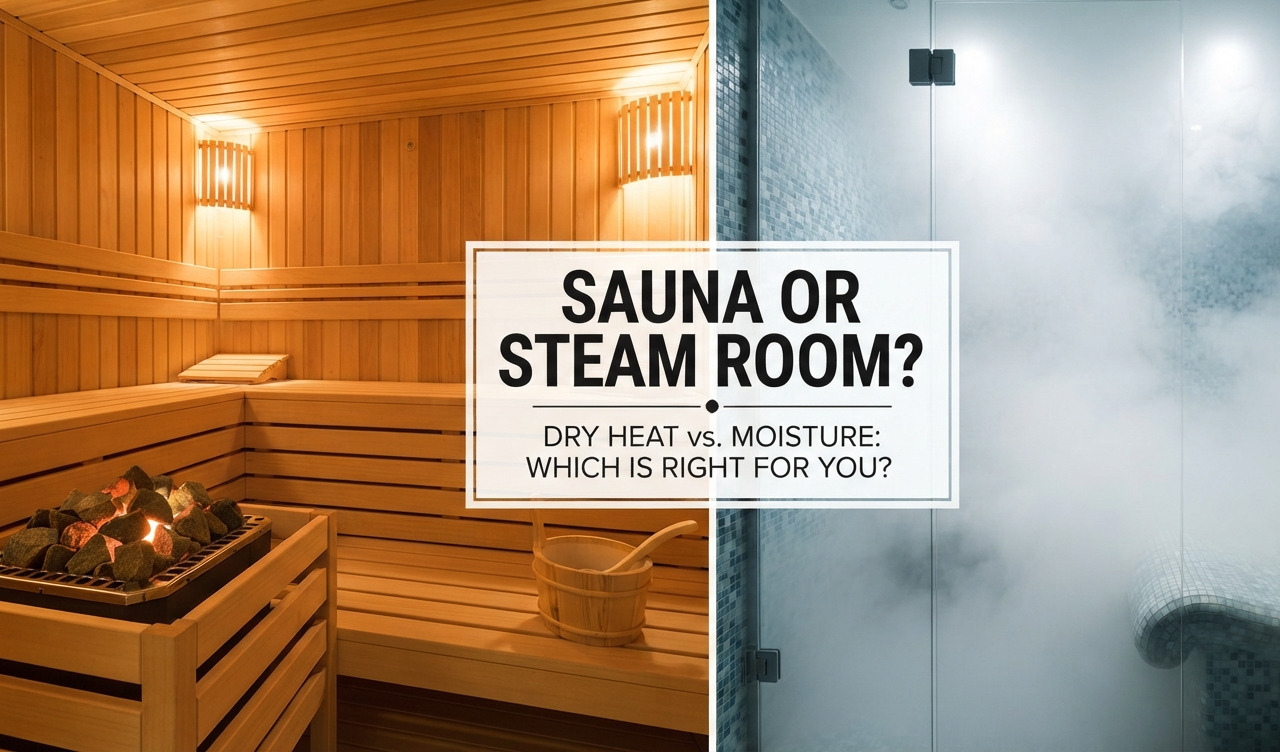
After a tough workout, you might feel sore and notice a comforting smell of cedar from the gym’s wellness area. You may then face a common decision: Should you go to the dry sauna or the wet steam room?
Although they seem similar, a sauna and a steam room offer different experiences. Learning how each works can help you make the most of your time after exercising and benefit your long-term health.
A Tale of Two Sweats: A Relatable Story
Last winter, I joined a local running club. After my first 5K, I felt terrible—my calves were tight, and my lower back hurt. A more experienced runner named Sarah saw me struggling and pointed to the back corner.
“Don’t just shower and leave,” she said with a smile. “Try the sauna for 15 minutes. It will help your nervous system reset.”
I followed her advice and sat in the quiet heat. I felt my muscle tension start to fade. It wasn’t just about sweating; it was also about the calmness and how my heart rate slowed down. A few days later, I decided to try the steam room. The warm, foggy air felt comforting, and when I stepped out, my sinuses cleared up from the cold season. I realized that these weren’t just “hot rooms”—they were useful tools, and which one to use depended on what my body needed that day.
Sauna vs. Steam Room: The Key Differences
The primary distinction between a sauna and a steam room boils down to temperature and humidity.
-
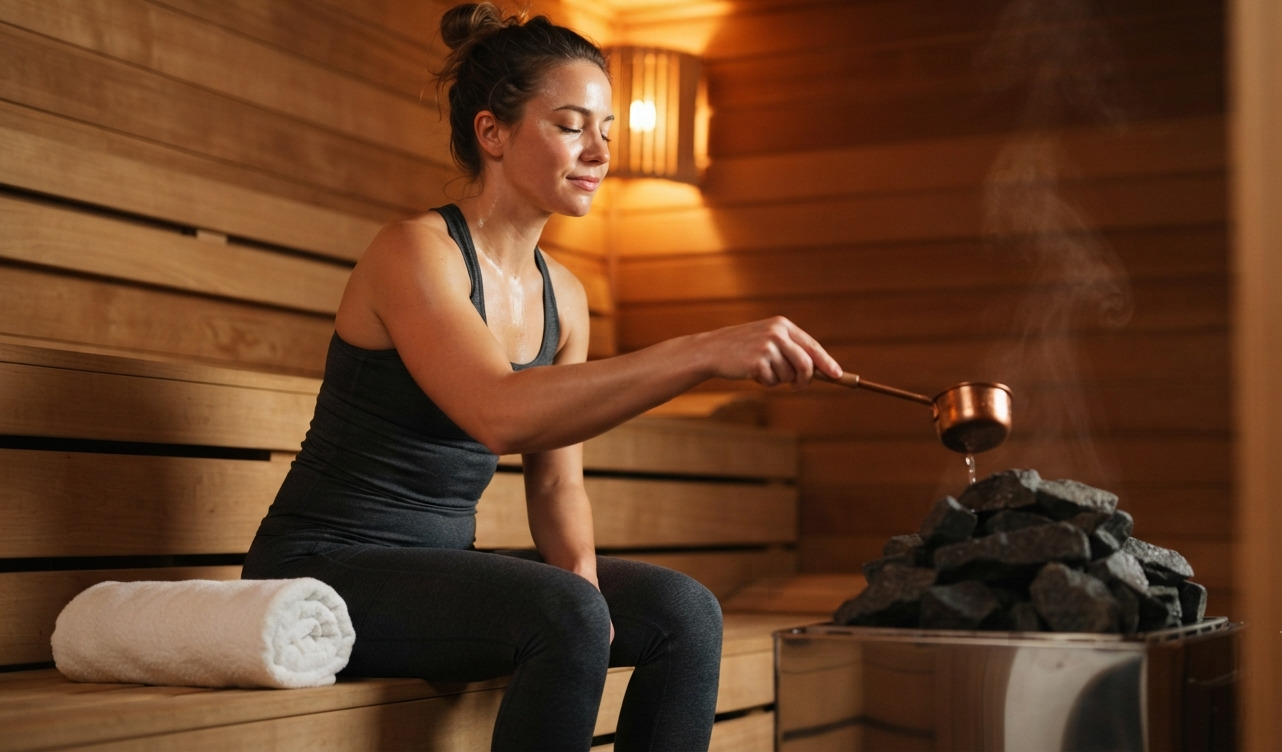
The Dry Sauna: A wood-lined room is usually heated to between 150°F and 195°F. The humidity is kept low, typically between 5–10%. You can sprinkle water on hot rocks to create a short burst of steam. Because the air is dry, your sweat evaporates quickly. This allows your body to handle higher temperatures for longer periods.
-
The Steam Room: Often referred to as a Turkish bath, these rooms are tiled or glass-enclosed to trap moisture. They operate at a lower temperature—usually 110°F to 120°F—but with 100% humidity. In this environment, your sweat doesn’t evaporate, which makes the heat feel much more intense.
The Health Benefits: What Does the Science Say?
Why Choose a Sauna?
Research shows that using a sauna regularly can have benefits similar to moderate exercise. Studies have connected frequent sauna use to:
-
Cardiovascular Health: Improved blood pressure and a reduced risk of stroke.
-
Muscle Recovery: The deep, penetrating dry heat relaxes tense muscles and aids in flushing out lactic acid.
-
Long-term Longevity: Some longitudinal studies have shown that 4–7 sessions per week may even reduce the risk of dementia and mortality.
Why Choose a Steam Room?
While there is less clinical research on steam rooms, they offer unique advantages:
-
Respiratory Relief: The high humidity is a game-changer for clearing sinuses, breaking up congestion, and soothing irritated airways.
-
Skin Hydration: Unlike the drying effect of a sauna, the moisture-rich air of a steam room hydrates the skin, leaving it feeling soft and supple.
Pro-Tips for Your Next Session
Whether you choose a sauna or steam room, remember these tips to stay safe and enjoy your experience:
-
Hydrate, Hydrate, Hydrate: Drink a full glass of water before you enter and keep a bottle with you. You lose a significant amount of fluid, and rehydration is non-negotiable.
-
The “Pre-Heat” Shower: Take a warm shower before entering. It cleans your skin and helps your pores open up, preparing your body for the heat.
-
Start Slow: If you’re a beginner, aim for 5–10 minutes. You can gradually work your way up to 15 or 20 minutes as your body acclimates.
-
Cool Down: After your session, a cool shower is essential. It helps your core body temperature return to normal and leaves you feeling refreshed rather than sluggish.
A Note of Caution: If you have low blood pressure, a history of heart issues, or are pregnant, always consult your physician before starting a heat-therapy regimen. Avoid overstaying your welcome—if you feel dizzy or lightheaded, step out immediately.
Final Thoughts
At the end of the day, there is no “better” choice—it’s all about what your body prefers. If you want to help your muscles recover and support your heart, the sauna is a great option. If you have a winter cold or want a spa-like experience that softens your skin, then choose the steam room.
Listen to your body, stay hydrated, and enjoy the heat!
READ: Fall Nail Art Ideas So Good, You’ll Want a New Manicure Every Week
Frequently Asked Questions (FAQs)
To help you make the most of your next heat therapy session, here are answers to common questions about using a sauna or steam room.
Does using a sauna or steam room help with weight loss?
You might see a lower number on the scale right after a session, but this is mostly water weight. Although heat can slightly boost your metabolism, research doesn’t show that saunas or steam rooms lead to real fat loss. Think of them as tools for recovery and relaxation, not as a way to lose weight.
Can I “detox” my body in a steam room?
You’ve likely heard that sweating “detoxes” the body of heavy metals or toxins. While it is true that trace amounts of substances can be excreted through sweat, your liver and kidneys are the primary organs responsible for detoxifying your body. Focus on using these rooms for the cardiovascular and muscle-soothing benefits rather than a “detox” cleanse.
Is it safe to use a sauna or steam room every day?
For most healthy people, using a sauna regularly is safe. In Finland, where sauna culture began, many people use them every day. Start with short sessions of 15 minutes and pay attention to how your body feels. If you are new to heat therapy, begin using the sauna 2 to 3 times a week. You can increase your visits only when you feel comfortable.
Should I use the sauna before or after my workout?
Using a sauna or steam room after your workout is generally recommended. It helps your muscles relax, facilitates recovery, and can even boost performance by increasing blood volume. Just be sure to cool down and rehydrate thoroughly before jumping in.
Why do I feel dizzy when I stand up after a session?
This is likely due to a sudden drop in blood pressure caused by the heat, which dilates your blood vessels. To prevent this, move slowly when exiting the room. Sit on the edge of the bench for a minute before standing, and if you feel lightheaded, step out immediately and sit down in a cooler area.
Are there any populations that should avoid these rooms?
The College of Obstetricians and Gynecologists advises pregnant women to stay away from saunas and hot tubs. This is because they can cause dehydration and lead to dangerously high body temperatures. If you have low blood pressure, heart issues, or a recent history of stroke, talk to your doctor before using heat therapy.
Disclaimer: This article is for information only and is not medical advice. Always check with a healthcare professional before starting any new health plans.