
The “Indie Revolution”: Why Sonic Lead Takashi Iizuka Wants AAA Studios to Think Small
Why the biggest names in gaming are ditching bloated budgets to copy the ‘Indie Playbook
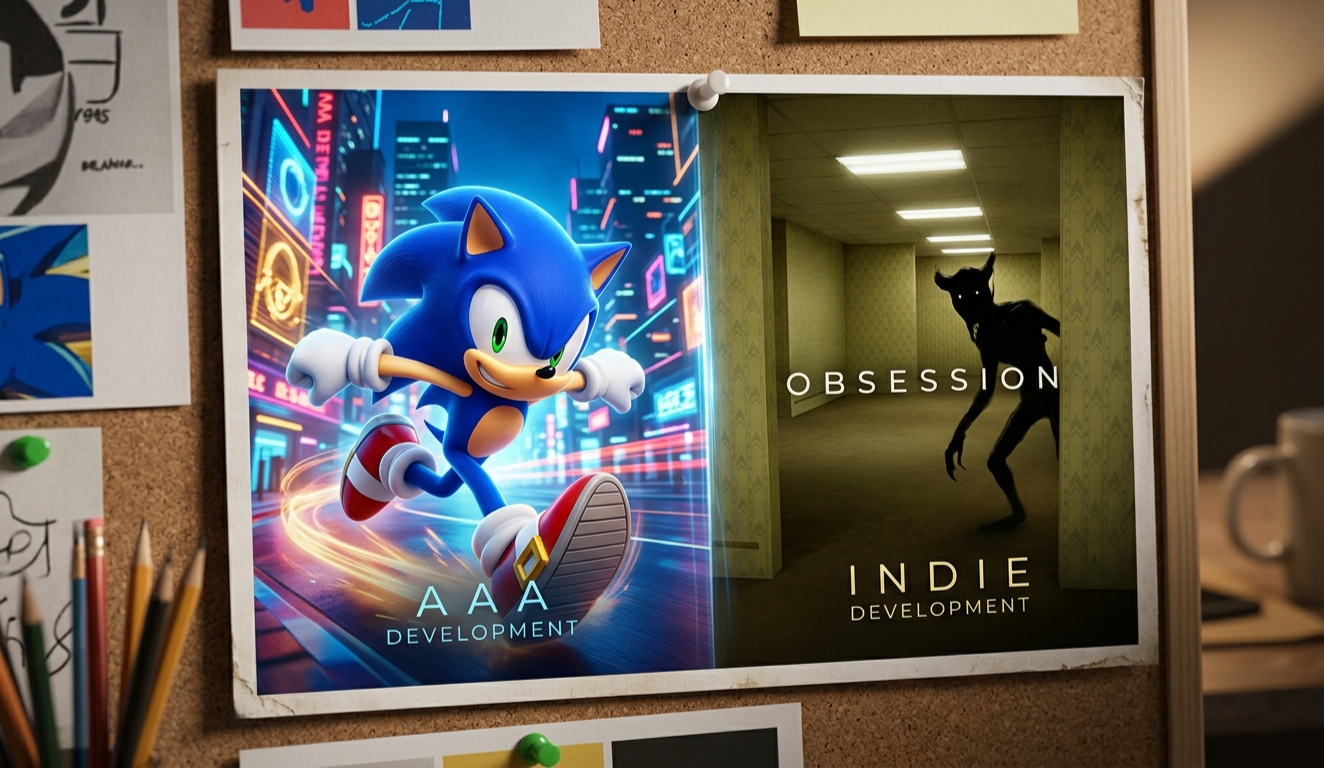
The gaming industry is facing big changes. As development costs rise and the demand for new hits increases, major game companies are turning to indie developers for inspiration.
In a recent conversation, Takashi Iizuka, the producer of Sonic the Hedgehog, shared an important insight that many in the industry are talking about. He believes that major game companies could learn valuable lessons from indie creators. He even compared this situation to the film industry, mentioning the surprising success of movies like Backrooms and Obsession this summer.
The AAA Dilemma: Time, Money, and Pressure
For a company like Sega, creating a famous franchise like Sonic the Hedgehog is a huge task. As Iizuka said, it involves a lot of time, money, and people.
“You really need to sell a lot of units to survive in the industry,” Iizuka explained. This “blockbuster or bust” mentality makes the environment very competitive. Each project impacts the company’s future.
However, this pressure has its downsides. When you are leading a big company, it’s hard to change direction quickly. In contrast, indie developers work more like speedboats. They can quickly develop ideas, create prototypes, and execute them faster than large studios. For Iizuka, that “smaller team energy” is not just efficient—it’s also exciting.
ALSO READ: Hersheypark Emergency Shelter Notice: What to Know About the Rescheduled Forrest Frank Concert
Lessons from the Silver Screen: Backrooms and Obsession
The parallel drawn by Iizuka to the film industry is arguably the most compelling aspect of his analysis. We are currently observing a notable shift in audience preferences. Substantial financial investments, often amounting to hundreds of millions of dollars (as demonstrated by the latest Star Wars blockbusters), are being consistently challenged by smaller, more agile, and remarkably effective horror films.
Movies such as *Backrooms* and *Obsession*, directed by emerging creative talents, are demonstrating that significant financial backing is not a prerequisite for engaging the public’s imagination. These films succeed by concentrating on a fundamental, visceral experience that resonates deeply with viewers.
-
The “Indie” Advantage: Both Backrooms and Obsession use clever storytelling and unique atmospheres to engage modern audiences quickly.
-
The AAA Takeaway: Movie studios are dealing with the success of smaller films, and large game publishers are learning that bigger games aren’t always better. More companies are collaborating, like Sega working with the developers of Pico Park to create Sonic Pico Park.
Why This Matters for the Future of Gaming
The recent move towards partnerships with indie studios, like Ubisoft’s The Rogue Prince of Persia and Konami’s Castlevania: Belmont’s Curse, shows a change in strategy. The industry recognizes that it needs the speed and fresh ideas from indie developers to stay relevant.
This is great news for gamers. It means we can expect more creativity within our favorite big franchises. Instead of just getting more “safe” sequels, we’ll see spin-offs that take risks, try new genres, and focus on fun rather than huge budgets.
What do you think? Should AAA studios continue to partner with indie teams, or should they focus on their own internal R&D? And more importantly—what’s your favorite 3D Sonic game that keeps you coming back? Let us know in the comments below!
Enjoyed this deep dive? Subscribe to our newsletter for more industry insights and gaming news that hits different.