
The Rise of the “March and March” Movement: Jacinta Ngobese-Zuma and the Xenophobia Debate
Beyond the Headlines: Why the "March and March" Movement is Reshaping South Africa’s Immigration Discourse
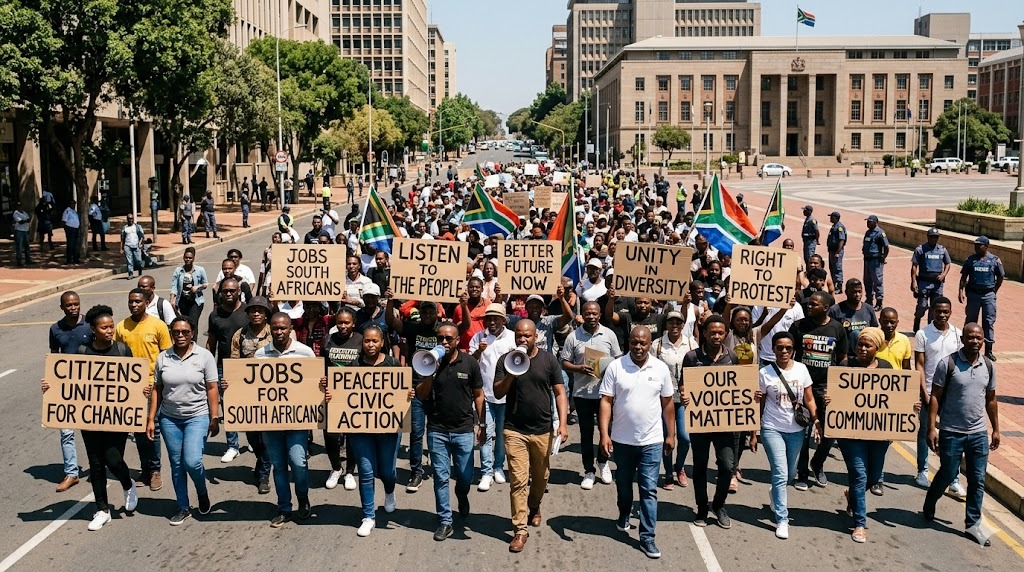
South Africa is facing a time of significant unrest, mainly due to rising anti-immigrant feelings. A key player in this situation is an activist group called March and March. At the forefront of this movement is Jacinta Ngobese-Zuma. She is a former radio host who has become an activist. Her strong opinions on undocumented migrants have sparked a heated debate across the country.
Who is Jacinta Ngobese-Zuma?
Jacinta Ngobese-Zuma is a well-known South African figure, formerly recognized for her career in radio broadcasting. Her transition into civic activism has been marked by her founding of the March and March movement.
Since the movement’s inception, Ngobese-Zuma has consistently pushed for:
-
Stricter Border Control: Demanding the government halt refugee application processing for certain groups.
-
Economic Reservation: Advocating for specific job sectors to be reserved exclusively for South African citizens.
-
Mass Deportation: Calling for the removal of undocumented foreign nationals.
The “March and March” Movement and Public Controversy
The movement has gained significant attention by tapping into deep-seated frustrations regarding unemployment, service delivery, and crime in South Africa. However, the group’s activities have drawn sharp criticism from human rights organizations, political leaders, and the South African Police Service (SAPS).
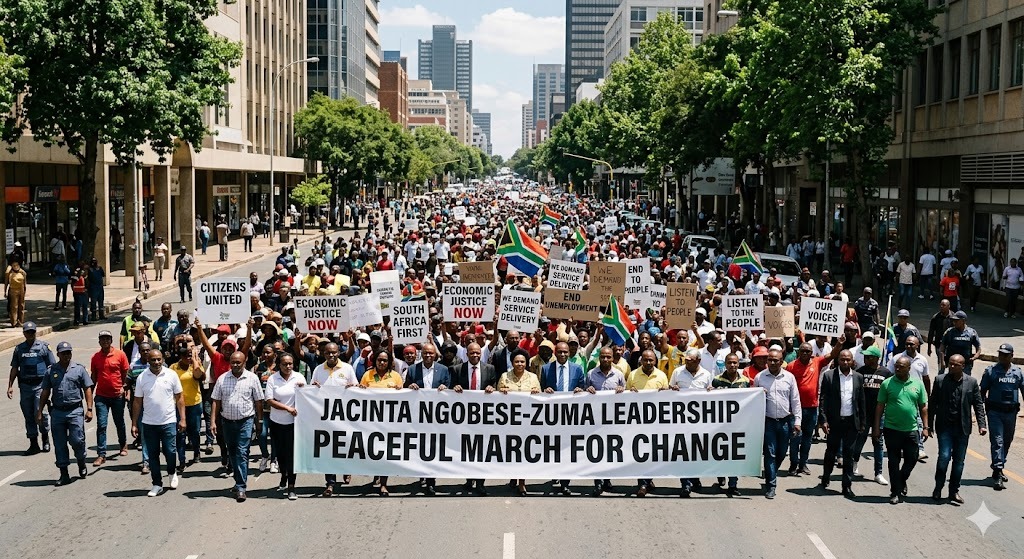
Allegations of Xenophobia
Critics, including Naledi Chirwa from the Economic Freedom Fighters (EFF), say that Ngobese-Zuma’s language creates a hostile atmosphere. While she claims her movement focuses on “law enforcement” and “sovereignty,” many observers believe her words echo historical justifications for xenophobic violence.
Reports show that anti-immigrant protests have led to scattered incidents of violence in provinces like the Western Cape and Gauteng. These protests have sometimes caused foreign nationals to be displaced and property to be damaged, prompting authorities to warn against taking the law into their own hands.
Fact vs. Rhetoric: The Ongoing Debate
As the country approaches key deadlines—such as the widely publicized June 30 national shutdown—fact-checkers and migration experts have worked to address several claims made by the movement:
-
Economic Impact: While the movement claims that undocumented migrants are solely responsible for economic strain, experts point to systemic government failures and broader economic mismanagement.
-
Criminality: Despite broad generalizations linking migrants to criminal activity, law enforcement agencies have repeatedly urged the public to avoid blaming foreign nationals for complex structural issues.
-
The “Invasion” Narrative: Ngobese-Zuma has frequently described South Africa as being “invaded,” a term that critics argue is designed to incite fear and mobilize mobs rather than address policy issues constructively.
What Lies Ahead?
The balance between the right to protest and the need to keep order is a big challenge for South African authorities. The government is taking a stronger approach against encouraging violence. This makes the future of the March and March movement an important topic for the media, politicians, and the public.
As South Africa deals with its social and economic issues, the debate over immigration policy and the people who influence public opinion will continue to be a key part of national discussions.
Disclaimer: This article offers an overview of current public events and ongoing discussions. For the most recent updates on migration laws and civic unrest in South Africa, please refer to official government announcements and trusted news sources.