
The True Cost of Hype: Why Skipping State of Play Is a Win for ‘The Heretic Prophet’
Why a industry veteran says skipping the hype cycle is the secret to a better final product
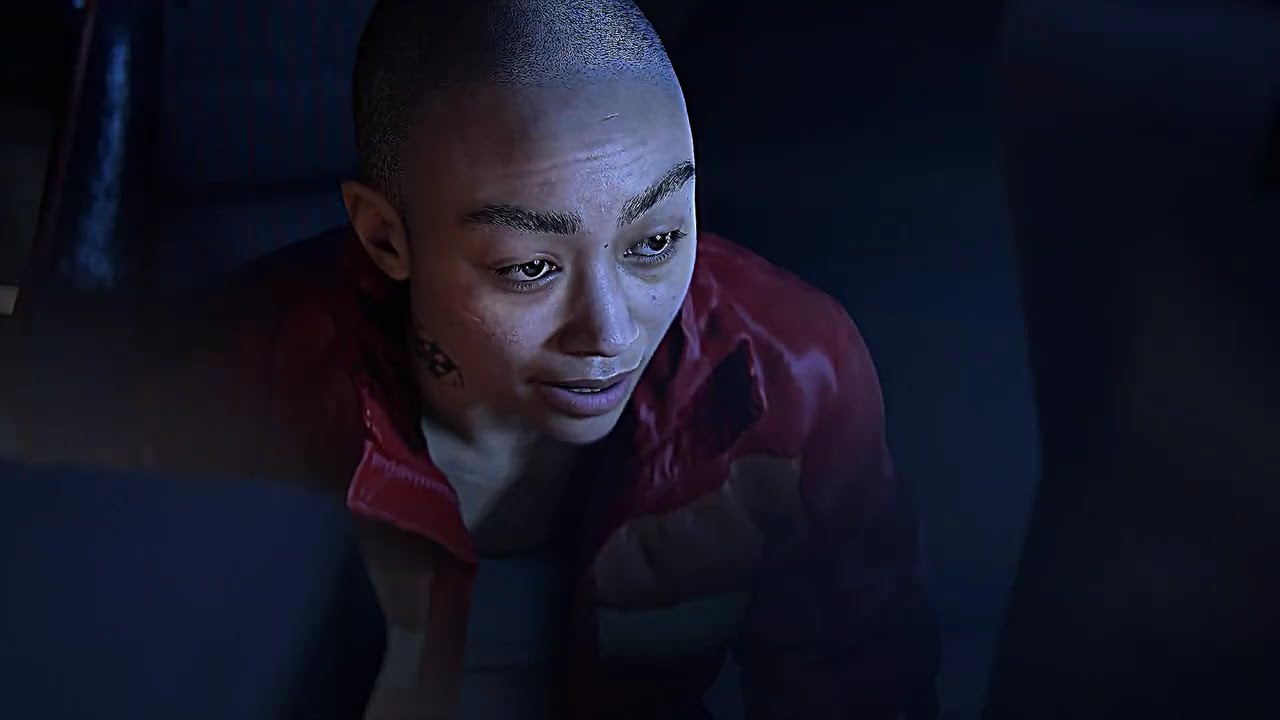
The gaming community felt a mix of excitement and disappointment during the latest State of Play. As the event ended, many people took to social media to ask: Where was Naughty Dog? Specifically, where was our first real look at Intergalactic: The Heretic Prophet?
While the lack of news may seem disappointing, experienced industry members remind us that every polished trailer comes with its challenges. These challenges can impact the overall quality of the final game.
The Hidden 4-Month Tax
Del Walker, an artist who worked on The Last of Us: Part 2 Remastered, explained why big game studios are more cautious about participating in events like State of Play.
He said that when a triple-A game studio has to create a trailer, it costs them about four months of development time. Take a moment to think about that. In high-quality gaming, four months is a long time. It can mean the difference between a smooth gameplay feature and a rough one, or between a launch that is free of bugs and one that has issues. When a studio shifts its focus to make a flashy trailer, they’re not just clicking a button to render it. They are taking key developers, artists, and engineers away from the main project to create a short segment that looks good for a few minutes of streaming.
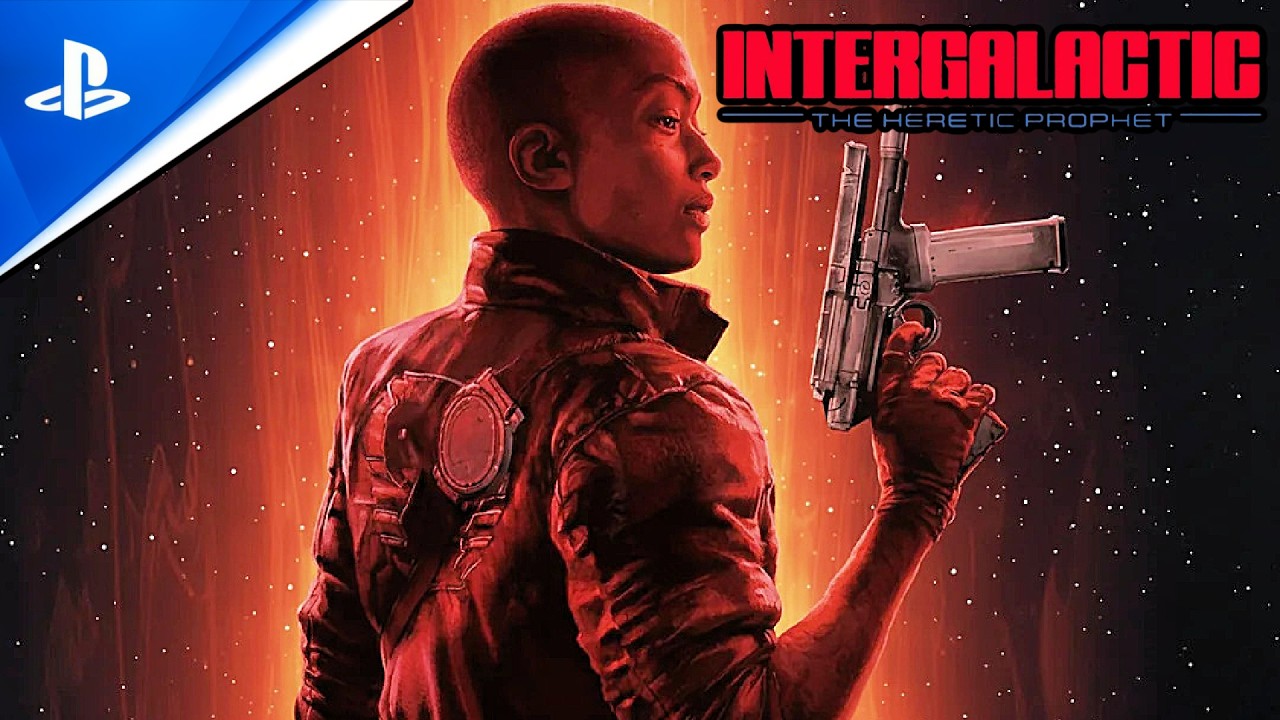
Why ‘The Heretic Prophet’ Staying Quiet Is Actually Good News
We all want Intergalactic: The Heretic Prophet in our hands as soon as possible. But there is a massive difference between a game being “ready to show” and a game being “ready to play.”
The industry is currently caught in a cycle of constant demand—if a game isn’t being teased, rumors fly. If a trailer doesn’t drop, fans feel ignored. But perhaps it is time we embrace the silence. As Walker pointedly asked: “Look, do you want a new game or not?”
If skipping a show like State of Play buys the development team at Naughty Dog those precious months of focus, we should be cheering for their absence, not mourning it.
“why no NaUgHtY dOg tRaiLeR?”
Because every time a AAA game studio has to move resources over to making a trailer, it causes the game to lose about 4 months of actual dedicated development iteration time. Look, do you want a new game or not? https://t.co/GmrrJMeaWz— Del (@TheCartelDel) June 15, 2026
Lessons from the Past
It is often overlooked that the most significant successes frequently emerge from obscurity. Prior to its emergence as a cultural phenomenon, achieving 20 million sales and inspiring a successful television adaptation, The Last of Us faced skepticism from certain senior executives and developers at Sony, who were concerned that its divergence from the Uncharted franchise might undermine its potential.
In some instances, the most exceptional outcomes arise when a team is afforded the opportunity to cultivate their vision without the constraints imposed by the demands of a public marketing campaign.
ALSO READ: Grow a Garden 2 Codes (June 2026): Get Your Free Seeds Today!
The Bottom Line
We know that many people are excited for The Last of Us 3 and the new sci-fi game The Heretic Prophet. However, making a game takes a lot of time and effort, especially when it comes to producing trailers. This work needs careful approval and attention to detail.
Unless a studio has a set release date to announce, there is little reason to stop production just for a temporary marketing boost. For now, patience is key. When the game is ready, we will see what the developers have created. Until then, let’s allow them to focus on building the game.
Are you frustrated by the lack of updates, or do you prefer that developers stay quiet until the game is truly ready? Share your thoughts in the comments below!