
The Truth About Boiled Eggs: How Long Do They Actually Last?
Stop Guessing: A Simple Guide to Storing Your Boiled Eggs Safely and Avoiding Food Waste
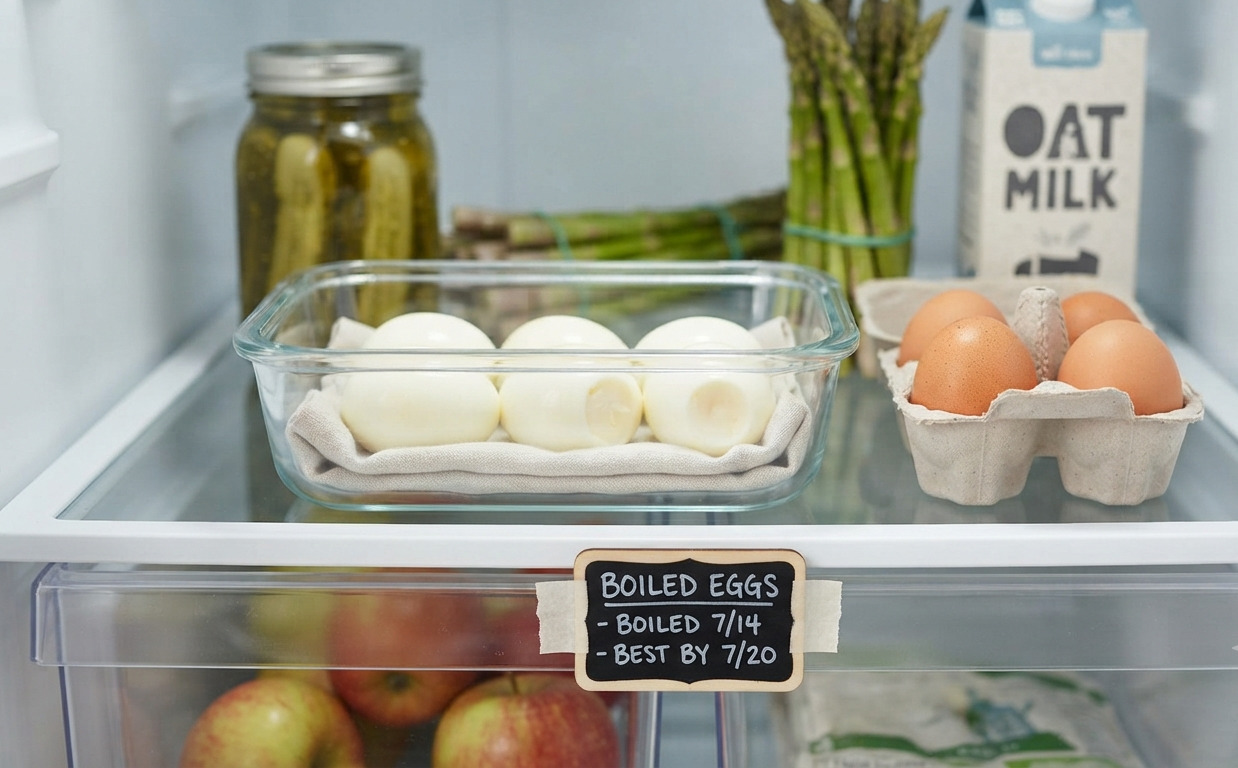
We’ve all been there: It’s a Tuesday morning, you’re in a hurry to pack lunch, and you see the bowl of boiled eggs you made over the weekend. You reach for one but then hesitate. Did I boil these on Sunday or Friday? Are they still safe to eat?
Last year, I faced this exact problem. I had boiled a dozen eggs for a healthy snack, but left them behind a big jar of pickles in the fridge. When I finally found them, I panicked—should I eat this or throw it away? Nobody wants food poisoning from trying to eat healthy, and that’s when I realized that boiled eggs have a real expiration date.
Whether you meal prep often or just enjoy a good snack, here’s what you need to know to keep your boiled eggs fresh, safe, and tasty.
Why Your Boiled Eggs Don’t Last Forever
Many people think that once an egg is cooked, it’s safe to leave it out on the counter. This isn’t true; it’s actually the opposite.
When you boil an egg, the heat removes the natural coating on the shell that helps keep bacteria out. Without this protective layer, cooked eggs spoil faster than raw eggs. That’s why it’s very important to store them properly.
How Long Do Boiled Eggs Last in the Fridge?
Always keep your eggs at 40 degrees Fahrenheit (4°C) or lower, according to the U.S. Food & Drug Administration (FDA).
-
In the Shell: If stored properly, hard-boiled eggs can stay fresh in the refrigerator for up to one week.
-
Peeled: Peeled eggs stay good for seven days if you keep them in an airtight container. This prevents them from drying out or soaking up smells from the fridge.
What About Eggs Left at Room Temperature?
Did you leave your hard-boiled eggs out for an Easter egg hunt or forget them on the counter? Be careful. The CDC says you shouldn’t leave hard-boiled eggs at room temperature for more than two hours. If it’s 90 degrees Fahrenheit (32°C) or hotter, they should not sit out for more than one hour. If the eggs have been out longer than that, it’s best to throw them away.
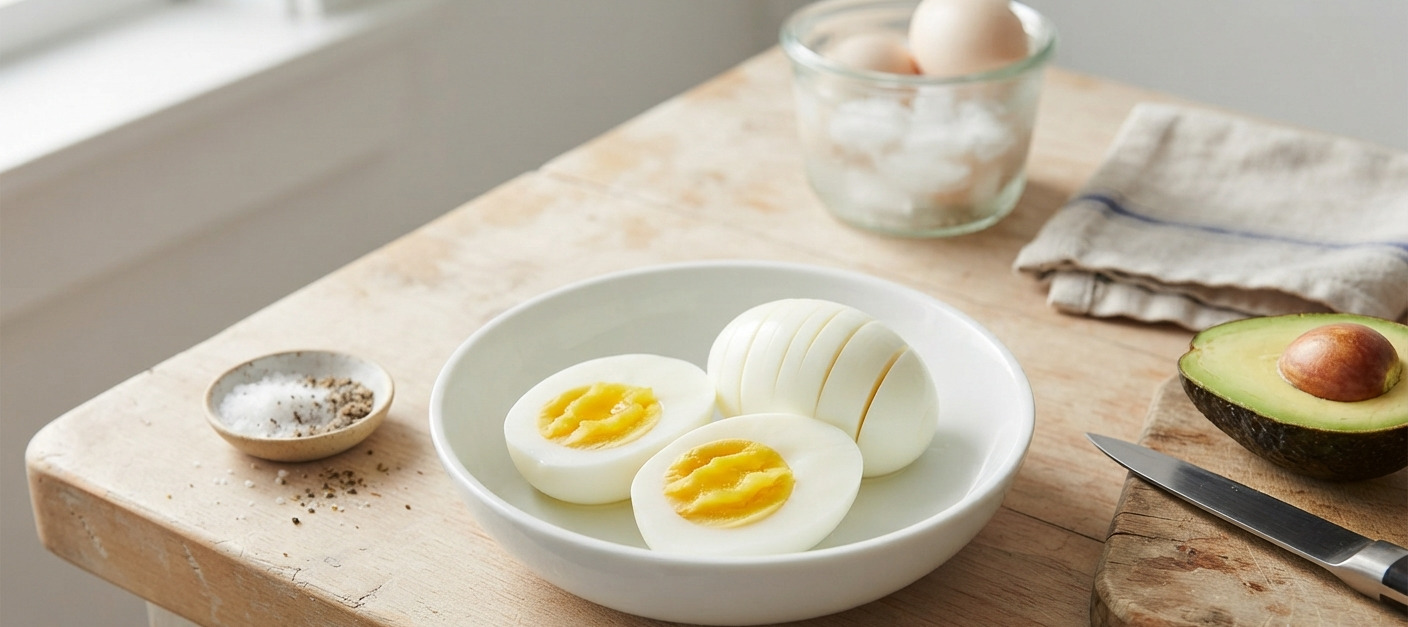
Pro-Tips for Perfect Storage
If you want your boiled eggs to stay as fresh as possible, follow these simple rules:
-
Keep Them Unpeeled: For maximum shelf life and quality, leave the shells on until you are actually ready to eat them.
-
Use an Airtight Container: Whether peeled or unpeeled, a covered container helps regulate temperature and keeps the eggs from absorbing other flavors in your fridge.
-
Cool Them Quickly: If you’re meal prepping, chill your eggs in an ice bath immediately after boiling, then move them straight to the fridge.
-
Avoid the Freezer: Technically, you can freeze hard-boiled eggs, but the texture becomes tough and watery. It’s better to eat them fresh!
How to Tell If an Egg Has Gone Bad
Your nose is important for this. If you peel an egg and it smells bad, like sulfur, rotten, or just “off,” throw it away right away. Bad eggs can make you sick with salmonella, and no snack is worth getting ill. If you’re not sure, just toss it out!
Quick Summary Checklist
| Storage Method | Safe Duration |
| Fridge (In Shell) | Up to 7 days |
| Fridge (Peeled) | Up to 7 days (in airtight container) |
| Room Temp | Maximum 2 hours (1 hour if >90°F) |
Frequently Asked Questions About Boiled Eggs
To keep your meal prep safe and tasty, here are answers to common questions about handling and storing boiled eggs.
Can I store hard-boiled eggs in water?
Some people think that keeping peeled eggs in a bowl of water keeps them fresh. However, this is not safe because it can lead to bacterial growth. Instead, store peeled eggs in a clean, airtight container. This way, they stay hydrated without the risk of contamination.
Why do my boiled eggs sometimes have a green ring around the yolk?
That green ring is a harmless, albeit slightly unappealing, chemical reaction between the sulfur in the egg white and the iron in the yolk. It usually happens if you overcook the eggs. While they are perfectly safe to eat, you can avoid this in the future by cooling your eggs immediately in an ice bath right after they finish boiling.
Should I wash my eggs before storing them?
Do not wash your eggs before storing them. Commercial eggs are already cleaned and sanitized. Washing can push bacteria through the shell. If you boil the eggs, cooking will take care of any sanitation needed.
What is the best way to transport boiled eggs for a picnic or lunch?
If you’re taking your eggs on the go, keep them in their shells until you are ready to eat. Use an insulated lunch bag or cooler with frozen gel packs. Remember the “two-hour rule”—if they have been out of the fridge for longer than two hours, it’s best to discard them.
Can I eat the eggs if the shell is cracked?
If an egg cracks while boiling, you can still eat it as long as you do so right away. However, if you store it in the fridge, bacteria can get inside more easily because of the cracked shell. It’s best to eat cracked eggs within a day or two, and keep them separate from uncracked eggs.
TRENDING NOW: The Best Meal Delivery Services to Simplify Your Weeknights (2026 Guide)
Disclaimer: This information is for educational use. Always check for signs of spoilage before eating any leftovers to ensure food safety.