
The Ultimate Healthy Grocery List: Eat Well Without Breaking the Bank
Stop Overspending: Your Step-by-Step Guide to Eating Nutrient-Dense Meals on a Tight Budget
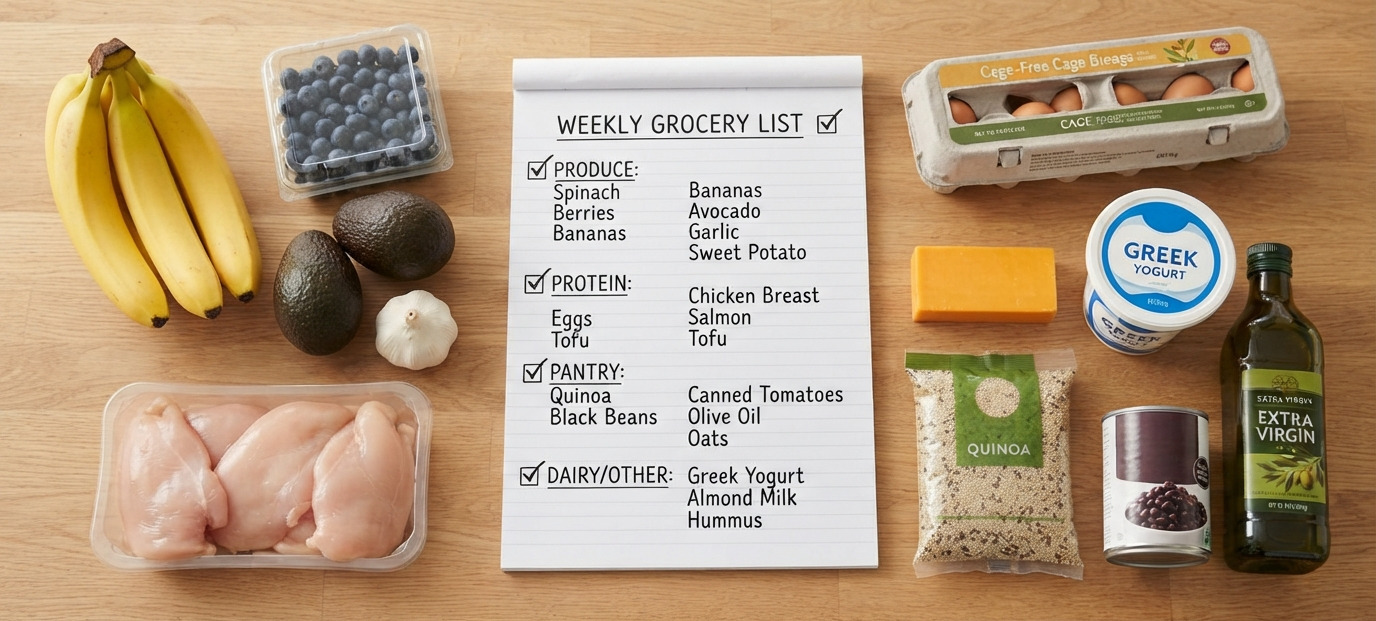
We’ve all experienced this: It’s 6:00 PM on a Tuesday. You look in your empty fridge after a long day and feel tempted to order expensive takeout.
I remember when my kitchen felt confusing. I would go grocery shopping when I was hungry and tired, picking up anything that seemed easy. When I got to the checkout, I often found my bill was much higher than I expected—and I still didn’t have what I needed for a real meal. This stress and overspending stops when you treat your grocery list like a weekly plan instead of an afterthought.
Planning your shopping helps you save money and improve your health. Research shows that people who shop with a list make better and healthier choices. Want to make your grocery shopping easier and more effective? Here’s how to stock a kitchen that is good for your body and your budget.
Your Gold-Standard Healthy Grocery List
When building your list, think about different categories. This will help you balance your nutrition and stay focused.
1. The Produce Powerhouse
Prioritize seasonal finds—they are fresher, more flavorful, and significantly cheaper.
-
Fresh Fruits: Berries, citrus, apples, mangoes, and seasonal favorites.
-
Fresh Vegetables: Leafy greens (spinach, kale), cruciferous veggies (broccoli, cauliflower), and staples like onions, garlic, and sweet potatoes.
-
Pro Tip: If an item is out of season, head straight to the freezer aisle. Frozen fruits and vegetables are flash-frozen at peak ripeness, offering identical nutritional value at a fraction of the cost.
2. Lean Proteins & Seafood
Quality protein doesn’t have to mean expensive steak.
-
Lean Meats: Ground chicken, turkey, or 90%+ lean beef.
-
Seafood: Cod, canned tuna, sardines, and frozen shrimp.
-
Plant-Based: Firm tofu, tempeh, and edamame.
-
Pro Tip: Buying “choice” or “select” grades instead of “prime” saves money without sacrificing quality. Always check unit prices, especially on plant-based alternatives.
3. Dairy, Eggs, and Alternatives
-
Staples: Eggs, grass-fed butter, and low-fat cheeses.
-
Yogurt: Greek yogurt or skyr for a high-protein boost.
-
Pro Tip: Aim for yogurts with 8g of sugar or less per serving. Buying large tubs instead of individual cups significantly reduces packaging waste and cost.
4. Breads, Grains, and Cereals
-
Whole Grains: Brown rice, quinoa, farro, and whole-wheat pasta.
-
Bread: 100% whole grain loaves, tortillas, or English muffins.
-
Pro Tip: Always look for “100% whole grain” on the label. Buying grains from bulk bins is a simple way to drop your grocery bill instantly.
5. Canned and Dry Goods
These are your “emergency meal” heroes.
-
Legumes: Black beans, chickpeas, and lentils (dry beans are the ultimate budget hack).
-
Nuts/Seeds: Chia, flax, walnuts, and natural nut butters.
-
Pro Tip: Choose “no-salt-added” canned goods to keep your sodium intake in check.
6. The Flavor Essentials
Healthy food should never be bland.
-
Spices/Herbs: Turmeric, cumin, garlic powder, and dried herbs.
-
Pantry Staples: Olive oil, apple cider vinegar, and hot sauce.
-
Pro Tip: Avoid pre-made sauces that hide high amounts of sugar and salt. Making your own dressing takes two minutes and costs pennies compared to bottled versions.
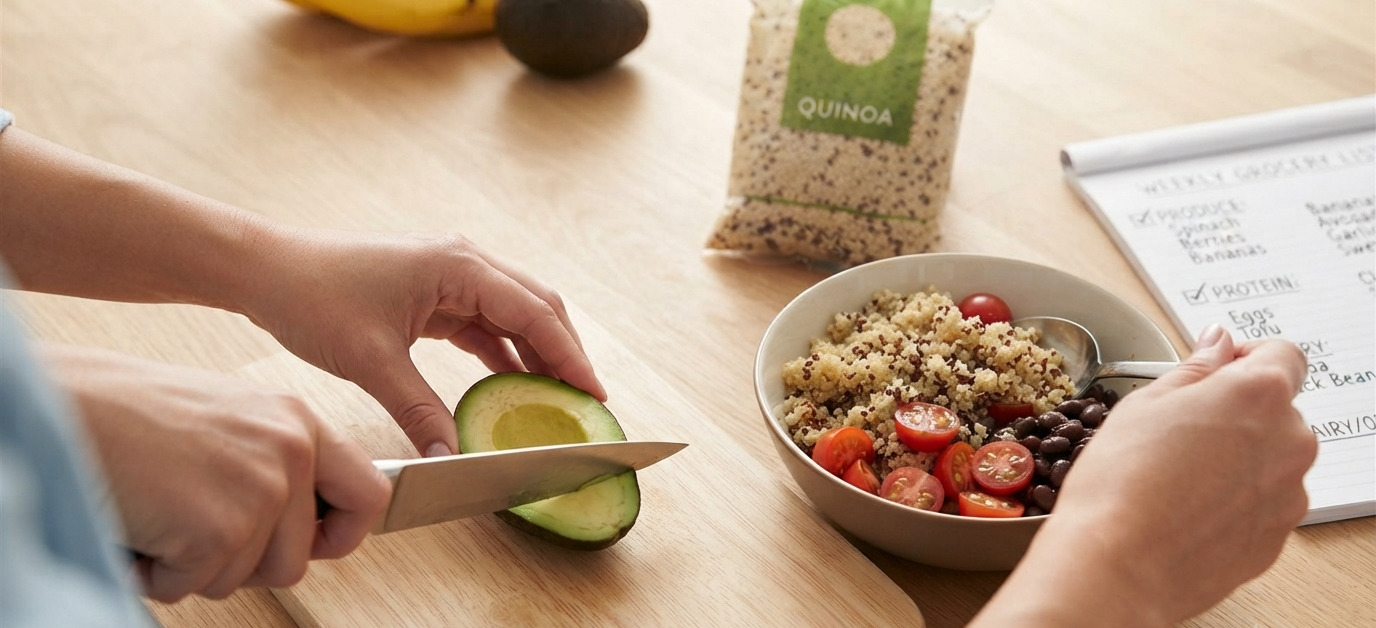
Smart Strategies for Your Next Trip
To truly master the art of the healthy grocery list, integrate these five habits:
-
Audit First: Look in your pantry and fridge before you leave. Don’t buy what you already have.
-
Stick to the Plan: Use your weekly list to avoid the “impulse buy” trap at the checkout line.
-
Think Bulk: Buy staples (grains, nuts, spices) in bulk to save long-term.
-
“First In, First Out”: Use older items first to prevent food waste.
-
Check Unit Prices: Don’t focus on the sticker price. Instead, look at the price per ounce or gram to find out which brand is actually the cheapest.
Don’t focus on the sticker price. Instead, look at the price per ounce or gram to find out which brand is actually the cheapest.
ALSO READ: Heartfelt Messages and Wishes for a New Baby Card: The Ultimate Guide
Frequently Asked Questions (FAQ)
Q: How can I tell if produce is in season to save money? A: To find out what is on sale at your local grocery store, check their weekly flyer. This flyer usually shows seasonal items that are discounted. You can also visit online resources like the USDA Seasonal Produce Guide. This guide helps you know the best time to buy specific fruits and vegetables throughout the year.
Q: Are frozen fruits and vegetables actually as healthy as fresh? A: Frozen fruits and vegetables can be more nutritious than fresh ones. They are often frozen at their ripest, which keeps vitamins and minerals locked in. They are also a budget-friendly choice because they last longer and help reduce food waste.Frozen fruits and vegetables can be more nutritious than fresh ones. They are often frozen at their ripest, which keeps vitamins and minerals locked in. They are also a budget-friendly choice because they last longer and help reduce food waste.
Q: What is the best way to handle “impulse buys” at the store? A: The secret is having a strict, categorized list and—crucially—never shopping while hungry. When you go into the store with a clear plan, you are less likely to be swayed by eye-catching displays and snack aisles.
Q: How do I know if a “whole grain” product is actually healthy? A: Don’t just trust the front of the box. Turn it over and read the ingredients list. Look for “100% whole grain” as the first ingredient. Choose products that have at least 2 grams of fiber and less than 10 grams of added sugar per serving.
Q: Is it really cheaper to buy dry beans instead of canned? A: Yes! While canned beans are convenient, buying dry beans in bulk is significantly cheaper. You can cook a large batch on the weekend, portion them into containers or bags, and freeze them to use throughout the month.
Q: How can I reduce my grocery bill without sacrificing quality? A: Buy store brands. They often have the same ingredients as name brands. Choose “choice” or “select” grades of meat instead of “prime.” Always check the unit price, which is the small number on the shelf tag, to see the actual value of different packages.