Unpacking the Past: What “Antebellum” Really Means and Why Lady A Dropped the Name
Behind the Name: What "Antebellum" Really Means and Why Country Trio Lady A Dropped It
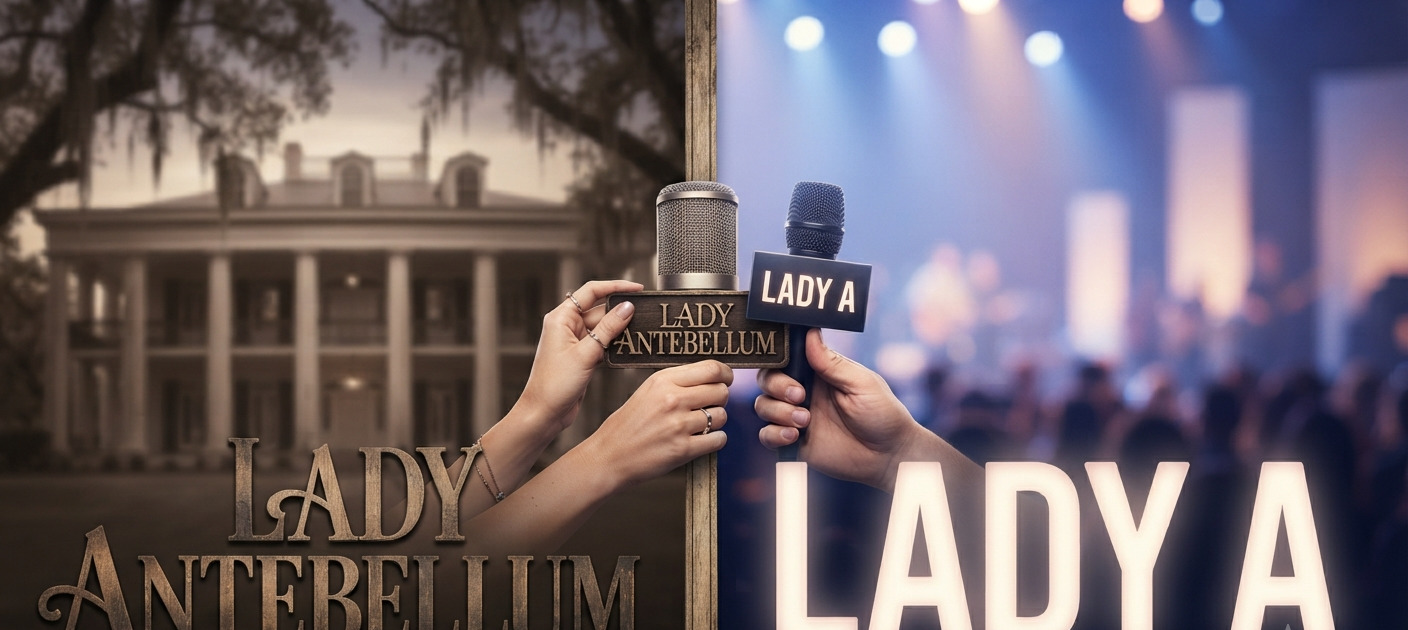
Imagine it’s a warm spring afternoon in Nashville, back in 2006. Three musicians—Charles Kelley, Hillary Scott, and Dave Haywood—are standing outside a beautiful southern mansion. They are taking their first promotional photos and brainstorming band names. They suggest names like “Springdale,” but someone looks up at the grand house and says, “How about Antebellum?”
To them, “Antebellum” sounded like romantic southern rock. They decided to add “Lady” to the name, thinking about southern legends and vintage charm. For over a decade, this name brought them Grammy wins, chart success, and full arenas.
Then came 2020.
As America faced issues of systemic racism, police brutality, and Confederate symbols, the band looked at their name differently. They realized that words have meaning and impact.
In a heartfelt statement that surprised the country music world, the band changed their name from “Antebellum” to Lady A.
If you’ve ever wondered why a simple word made such a big difference, let’s explore what “antebellum” means, its origin, and why it carries a heavy weight today.
The Literal Translation vs. The Historical Reality
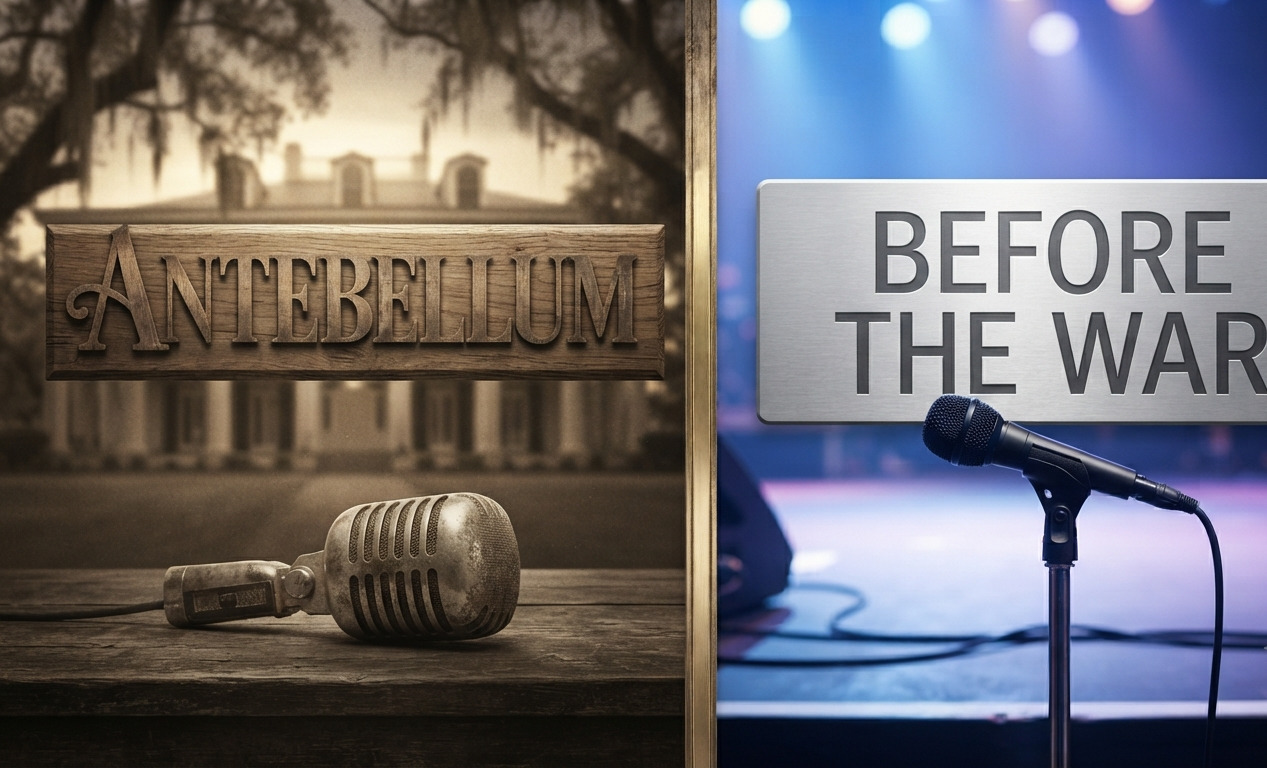
The word “antebellum” is not a bad term by itself. It comes from the Latin phrase “ante bellum,” which means “before the war.” In history, it can refer to the time before any major conflict.
However, in the context of American history and culture, it is closely tied to a specific time: the years leading up to the American Civil War (1861–1865) in the Southern United States.
For generations, pop culture, through novels and films like Gone with the Wind, has presented the antebellum era as a romantic fairy tale. It creates images of:
-
Grand plantation-style mansions with towering white columns.
-
Sprawling, peaceful lawns draped in Spanish moss.
-
Wealthy southern gentry sipping sweet tea on shaded porches.
The Blind Spot: What Was Hidden Behind the Columns
The romanticized aesthetic of the antebellum period glosses over a devastating truth: that entire way of life was built on the backs of enslaved Black human beings.
When we say “antebellum” today, we are not just referring to buildings or clothing. We are discussing an economy and a social system built on chattel slavery. The wealth that created the grand estates and the comfortable lives of the southern planter class came from forced labor and severe violence against Black men, women, and children.
When Lady A formed in 2006, the band members acknowledged they had big gaps in their understanding. They shared this in their announcement:
“We have felt a strong sense of urgency to address the injustices that Black women and men face every day. We recognize our failure to understand the negative associations tied to the term that refers to the time before the Civil War, which includes slavery. We feel regret and embarrassment about this oversight.”
Why Language and Culture Evolve
Languages, cultures, and societies change and grow over time. What people accepted as normal or harmless in the past may be viewed differently today with more understanding and care.
Just as communities have removed Confederate monuments and NASCAR has banned the Confederate flag, cultural language has also changed. Recognizing that a name can honor or downplay a painful history is an important step. For Lady A, this recognition was not about denying their past or avoiding mistakes; it was about taking responsibility. In addition to changing their name, the band pledged to take action by donating to the Equal Justice Initiative, a nonprofit that provides legal help to marginalized prisoners, through their charity, LadyAID.
Final Thoughts: Continuing the Education
The story behind Lady A’s name change is a powerful reminder that education is an ongoing, lifelong process. We all have blind spots shaped by our backgrounds and the era we grew up in.
Understanding terms like “antebellum” is not about being overly cautious; it’s about choosing empathy instead of comfort. When we recognize the historical significance of the words we use, we move toward a more honest, inclusive, and aware society.
READ: The Ultimate Guide to Enzyme Cleaners: How to Erase Pet Stains and Odors for Good
Frequently Asked Questions
What does the word “antebellum” actually mean?
The term “antebellum” comes from the Latin phrase meaning “before the war.” In American history, it specifically refers to the time before the Civil War in the Southern United States.
Why is the term “antebellum” considered controversial?
While the literal definition is neutral, the term is heavily associated with the plantation economy of the pre-Civil War South. Because that entire social and economic system was built on the system of chattel slavery, modern critics and historians note that romanticizing the “antebellum aesthetic” inadvertently glorifies or minimizes a painful era of human enslavement.
When and why did Lady Antebellum change their name?
In June 2020, during nationwide protests about racial injustice, the country music group announced they were changing their name from Lady Antebellum to Lady A. The band members said they recognized the painful history behind the word “antebellum” and wanted to move away from it after reflecting on their own blind spots.
What inspired the band’s original name in 2006?
When band members Charles Kelley, Hillary Scott, and Dave Haywood formed the group in Nashville in 2006, they took their first promotional photos outside a historic, columned southern mansion. Inspired by the architecture, they thought the term “antebellum” sounded like cool, southern rock—completely overlooking the word’s deeper historical weight at the time.
Did the band take any other action besides changing their name?
Yes. The bandmates apologized for their mistake and promised to educate themselves and work against racism. They created LadyAID to support their cause and donated money to groups like the Equal Justice Initiative, which helps provide legal help to marginalized people and those wrongly convicted.