
Keeping Your Best Friend Safe: The Truth About Dogs and Wildfire Smoke
Why Your Dog Needs to Stay Inside When Wildfire Smoke Hits (Vet Insights & Safety Tips)

As our summers get hotter and wildfires last longer, “smoke season” affects millions of pet owners. Whether you live close to a fire or far away under a smoky sky, you may wonder: How much outdoor time is safe for my dog?
It’s important to understand how wildfire smoke impacts dogs, as it is crucial for their health. Here’s what you need to know to keep your furry friend safe when the air quality worsens.
A Story from the Smoky Skies
Last August, I woke up to a sky that looked more like Mars than Oregon. My two golden retrievers, Bella and Max, were by the back door, wagging their tails, ready for our usual morning fetch. As I stepped onto the porch, the smell of burning pine hit me, and my throat tightened.
I looked at Bella, who has allergies, and realized that our daily routine was not just “uncomfortable”—it could be bad for her health. We turned around and went back inside. That morning, instead of going to the park, we played a sniffari game in the living room using a puzzle mat. By the time the air cleared three days later, I was glad I had chosen to protect their lungs over sticking to our park habit. It’s a small sacrifice for their long-term health.
The Dangers of Wildfire Smoke for Dogs
Air quality affects dogs just like it affects people. When the Air Quality Index (AQI) goes up to levels that are concerning for humans, you should also be cautious about your pets.
Common Symptoms to Watch For
Wildfire smoke acts as a potent respiratory irritant. If your dog has been exposed to smoky air, watch closely for these warning signs:
-
Coughing or wheezing
-
Increased effort to breathe (look for exaggerated chest movements)
-
Exercise intolerance: If your dog seems unusually lethargic or refuses to move during their usual walk, take it seriously.
-
Runny eyes or nose
Who is at higher risk? While all dogs can be impacted, certain groups are more vulnerable. Veterinarians advise extra caution for:
-
Brachycephalic breeds: Flat-faced dogs like Pugs, Bulldogs, and Frenchies often have pre-existing breathing difficulties.
-
Dogs with underlying conditions: Those with chronic bronchitis, asthma, or cardiac disease are at the highest risk for severe complications.
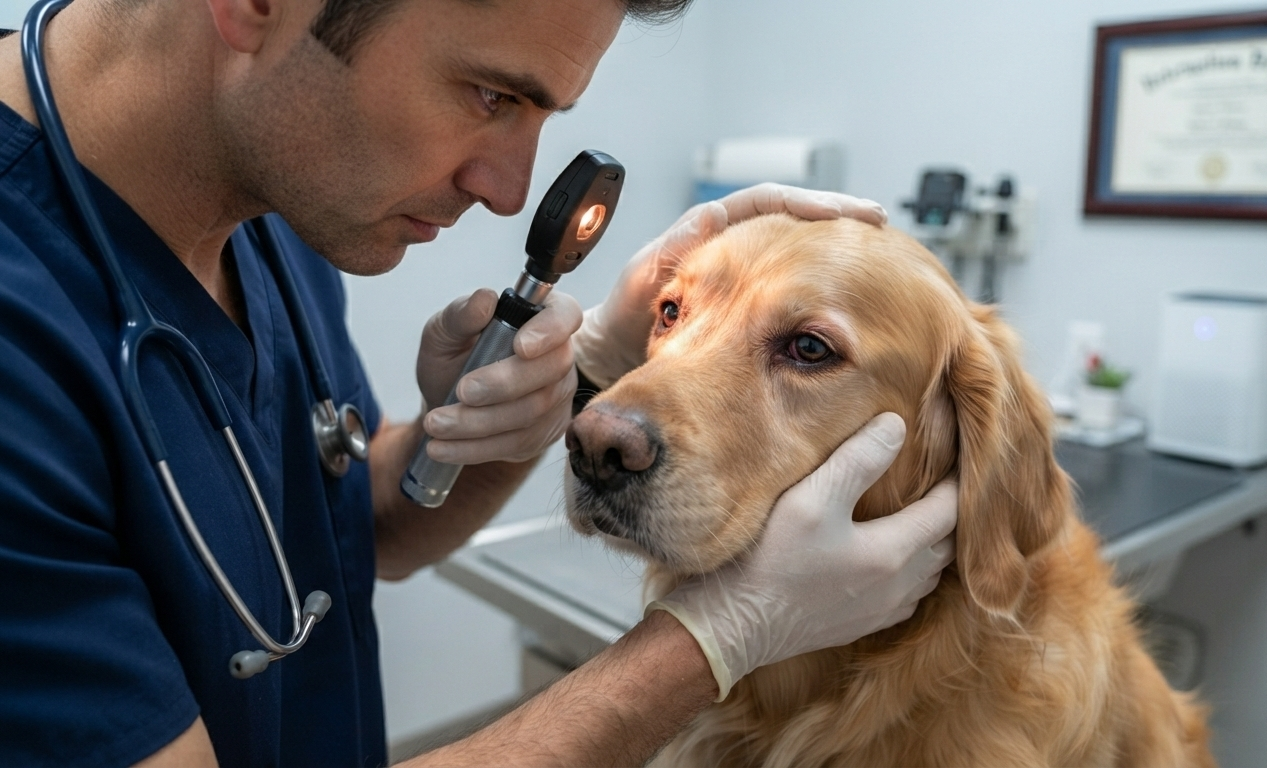
How to Manage “Smoke Days” Without the Boredom
If the air is poor, the best move is to stay inside. But don’t worry—you don’t have to sacrifice your dog’s happiness. Use these days for mental enrichment, which is often just as tiring as a physical run!
-
Indoor Scent Work: Hide high-value treats around the house and let your dog use their nose to find them.
-
Puzzle Toys: Stuff hollow toys with dog-safe yogurt or peanut butter and freeze them. This keeps them occupied for an hour or more.
-
Brush Up on Training: Smoky days are perfect for practicing “sit,” “stay,” or teaching a fun new trick like “spin” or “shake.”
The “Dog Mask” Debate: A Vet’s Verdict
You may have seen dog masks for filtering air sold online. I asked a local vet if they really work, and he said no.
“I don’t think these work well,” the vet explained. “A dog’s head shape varies a lot, so you can’t get a good seal to filter particles. Also, dogs cool themselves by panting. A mask can restrict their airflow, which can increase the risk of heatstroke.”
The bottom line: If the air is dangerous enough to require a mask, your dog shouldn’t be outside at all.
Stay Prepared: The Emergency “Go Bag”
Wildfires are unpredictable. Even if your home is currently safe, being prepared is the best way to stay calm.
-
Keep Records Digital: Keep a digital file of your dog’s vaccination records and current medical prescriptions.
-
Microchip Check: Ensure your dog’s microchip is updated with your current phone number.
-
The “Go Bag”: Keep a bag by the door with a spare leash, a sturdy harness, a few days of food, and any regular medications.
-
Emergency Tags: Always keep clear, legible contact info on their collar.
When to Call the Vet
Even if you are careful, keep a close watch for these warning signs:
-
Persistent coughing or gagging.
-
Increased or noisy breathing.
-
Lethargy or extreme weakness.
-
Reluctance to eat or drink.
-
Disorientation or stumbling.
If you see these, don’t wait. Contact your veterinarian immediately.
TRENDS: You Cannot Import These Cars To Ghana: Everything You Need to Know Before October 2026
Q: Can dogs wear N95 or pet-specific face masks during a wildfire?
A: Veterinarians warn against using masks on dogs. Dogs cool down by panting, and a mask can block airflow, which raises the risk of heatstroke. It’s also difficult to get a good fit on a dog’s different facial shapes. If the air is unhealthy enough for a mask, your dog should stay inside.
Q: What Air Quality Index (AQI) level is considered unsafe for dogs?
A: Just like with humans, caution should be exercised when the AQI reaches the “Unhealthy for Sensitive Groups” threshold (an AQI above 100). Once the AQI crosses 150 (Unhealthy) or higher, all dogs—especially puppies, seniors, and brachycephalic breeds—should be kept indoors as much as possible with windows shut and air purifiers running.
Q: How can I exercise my dog indoors when we are trapped inside by wildfire smoke?
A: Mental activities can use just as much energy as physical exercise! You can try food-filled puzzle toys, indoor “sniffari” games (where you hide treats around the room), practicing obedience training, or teaching your dog new tricks like “spin” or “roll over.”
Q: What are the main signs of smoke inhalation in dogs?
A: Watch for signs of breathing problems in your dog, including coughing, wheezing, heavy breathing, watery or red eyes, and nasal discharge. Also, look out for lethargy and sudden disinterest in playing or walking. If your dog has serious breathing issues, contact your veterinarian right away.
Final Tip: Check your local Air Quality Index (AQI) daily during fire season. Plan your walks when the air is cleanest, or choose indoor activities when the air is poor. This helps keep your pet healthy for years to come.
Disclaimer: This article is for information only and is not a substitute for professional veterinary advice. If your dog has trouble breathing, contact your veterinarian right away.