Canned Food Expiration Dates: Are Your Pantry Staples Still Safe?
That dusty can in the back of your cupboard might still be good to eat—here is the exact line between perfectly safe and time to toss
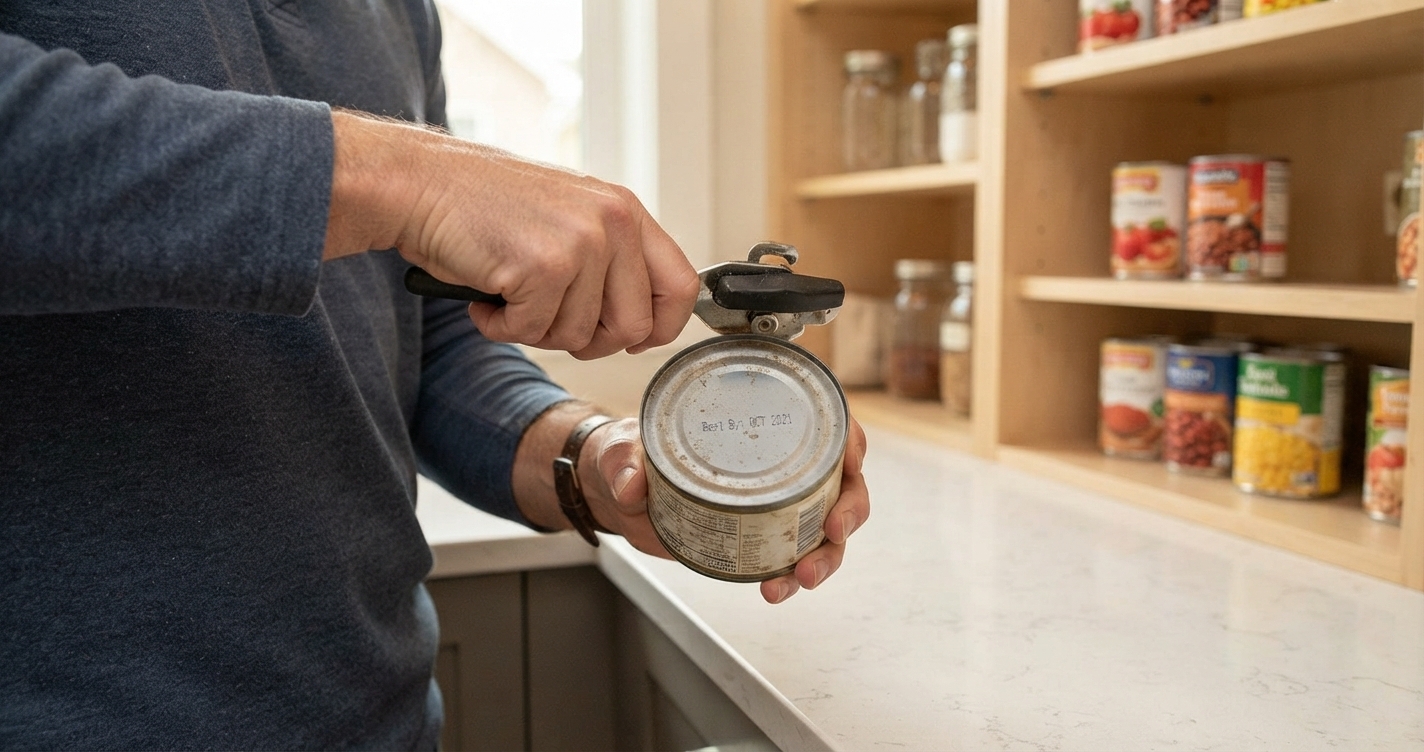
Picture this: It’s a rainy Tuesday evening in Accra. You’ve had a long day and feel exhausted. The idea of going to the market seems too hard. Instead, you go to the kitchen for a quick meal. You open your pantry—a trusty stash of food—and spot an old tin of mackerel you bought over a year ago, thinking it might come in handy.
You pick it up, look closely at the faded “Best By” date, and pause. Is it still safe to eat? Or will this quiet evening turn into a problem?
If you’ve ever held a can in your kitchen and wondered if you should throw it away, you’re not alone. With grocery prices rising, we all want to make our pantry food last without risking our health. Let’s clarify the science behind canned food safety and help you confidently stock your shelves.
Understanding the “Best By” Date: Quality vs. Safety
Canned food has dates on the lid like “Best By,” “Use By,” or “Sell By.” These dates mainly indicate quality, not safety. Manufacturers print these dates to show when the food tastes, looks, and has nutrition at its best. After the date passes, your beans or tomatoes won’t become toxic. They might just lose some color, texture, or flavor.
Why Canned Food Lasts (Almost) Forever
According to the USDA, canned foods can be kept safe to eat because they are “commercially sterile.” The canning process removes germs and creates a vacuum seal to stop new bacteria from getting in. As long as the seal is not broken and the can is not damaged, the food inside does not spoil.
The “Red Flag” Checklist: When to Toss It
While the food might be safe, the package can fail. If you notice any of these signs, don’t take the risk. Even if the food looks fine, toss it immediately:
-
Bulging or Swollen Cans: This is a major warning sign of bacterial growth.
-
Deep Dents: Especially if the dent is on the seam of the can.
-
Rust and Corrosion: If a can is heavily rusted, it could compromise the seal.
-
Leaking: Any liquid escaping the can is a clear sign the seal has failed.
-
Off-Smell or Mold: If you open the can and it smells “off,” or you see visible mold, trust your nose and eyes—get rid of it.
Shelf-Life Cheat Sheet: How Long is “Too Long”?
Different foods have different “quality windows.” Here is a quick guide to help you organize your pantry:
| Food Type | Shelf Life (Unopened) | Fridge Life (After Opening) |
| Canned Meat/Ham | 2 – 5 Years | 3 – 4 Days |
| Low-Acid Foods (Corn, Peas, Soups) | 2 – 5 Years | 3 – 4 Days |
| High-Acid Foods (Tomatoes, Fruit, Pickles) | 12 – 18 Months | 5 – 7 Days |
| Home-Canned Goods | Up to 1 Year | 3 – 4 Days |
Note: Always transfer leftovers into a glass or plastic container after opening. Storing food in an open metal tin can affect the taste and lead to oxidation.
How to Store Your Canned Food for Maximum Longevity
Where you keep your food is just as important as what you buy. The USDA recommends storing canned food in a cool, dry place.
Avoid these common storage traps:
-
Under the sink: It’s often too damp.
-
Near the stove: Fluctuating heat can degrade food quality over time.
-
Garages or Basements: If they aren’t climate-controlled, extreme temperatures can speed up the breakdown of the food’s texture.
Can I eat canned food that is 5 years expired?
If the can is in good shape (no rust, dents, leaks, or bulging) and has been stored in a cool, dry place, low-acid canned foods like vegetables or meats might still be safe to eat. However, the taste, texture, and nutritional value may have dropped significantly.
Is it safe to store leftover canned food right inside the open can in the fridge?
It is not recommended to store food in opened metal cans. Once the can is opened, the seal is broken. Leaving food in the can can make it taste metallic due to oxidation. Always move leftovers to a sealed glass or plastic container.
What should I do with home-canned foods before eating them?
If you eat home-canned foods, follow these safety tips: boil high-acid foods for 10 minutes and low-acid foods for 20 minutes before tasting or eating them. This extra step helps protect you from harmful germs.
Does freezing a can of food extend its shelf life?
You should never freeze canned foods in their metal containers. When the liquid inside freezes, it expands. This can cause the can to burst, split seams, or ruin the food safety seal.
TRENDS: Mahjong Sets, for Beginners and Beyond: Beautiful Tiles for Every Budget and Skill Level
The Bottom Line
Next time you see a can of fish or vegetables with an “expired” label, remember: if the can is not damaged, it’s usually safe to eat. Check for any damage, smell the food, and feel the texture.
Being smart with your pantry helps you save money and ensures you have what you need when you need it. Keep your pantry cool and check your cans often. This way, you’ll always have a reliable meal ready, even on your busiest nights.