
How Long Can Ground Beef Sit in Your Fridge? What the Experts Say
This 2-Day Fridge Rule Could Save You From Food Poisoning
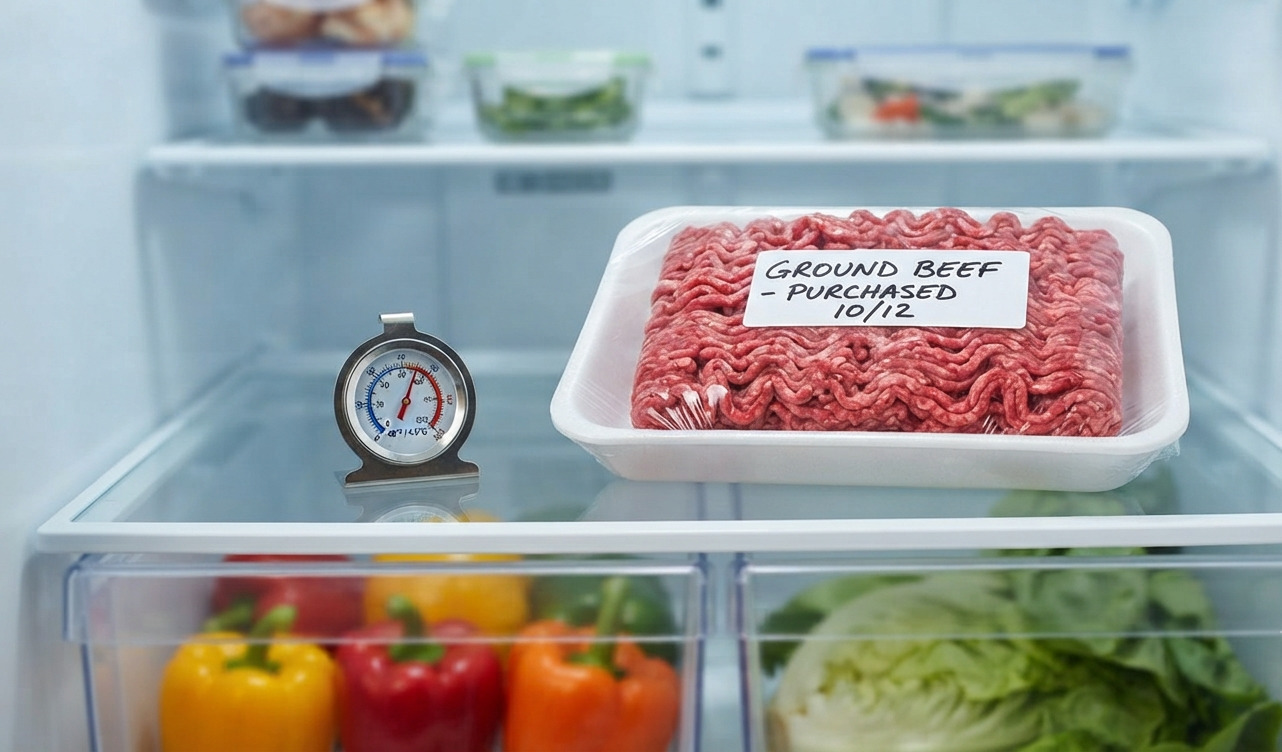
Imagine it’s a busy Tuesday evening, and you’re looking in your fridge, unsure of what to make for dinner. You spot a package of ground beef that you bought over the weekend. You had plans for tacos or burgers, but life got in the way. Now, you’re trying to figure out: Is this beef still safe to cook, or should it go in the trash?
With grocery prices going up, throwing away a pound of meat feels like a waste. But when it comes to ground beef, safety is key—not just for taste, but to avoid food poisoning.
We checked food safety guidelines and talked to experts to explain how long ground beef lasts in the fridge, how to tell if it’s spoiled, and the best ways to store or freeze it. This way, you won’t have to guess about it again.
How Long Does Ground Beef Last in the Fridge?
When it comes to raw ground beef, you have a short time to use it. Food safety experts say that raw ground beef lasts only one to two days in the refrigerator.
If it has been in your fridge for more than 48 hours, it’s best to throw it away, even if it looks and smells okay. The USDA recommends keeping your fridge temperature at 40°F or below and sticking to the 1-to-2-day storage limit before you cook or freeze it. When you do cook the ground beef, make sure to heat it to at least 160°F to kill any harmful bacteria.
Why Does Ground Beef Spoil So Fast?
Ground beef has a short shelf life because of how it is processed. Unlike a whole cut of steak, ground beef is made by grinding the meat.
-
Increased Surface Area: Mincing increases the surface area exponentially.
-
Distributed Bacteria: Any bacteria originally living on the surface of the meat get mixed and distributed thoroughly throughout the entire package during grinding.
Because of this high-risk processing, a steak can safely be ordered medium-rare at a restaurant, but ground beef must always be cooked thoroughly all the way through. It is classified as a high-risk, perishable food that demands quick action after purchase.
Signs Your Ground Beef Has Gone Bad
Wondering how to tell if your ground beef has turned? Keep an eye—and a nose—out for these key red flags:
-
Unpleasant Odor: A sour, funky, or off smell is a definitive indicator that spoilage bacteria have taken over.
-
Sticky Texture: If the meat feels slimy, tacky, or overly sticky to the touch, toss it immediately.
-
Dull Gray-Brown Color: While a slight color shift isn’t always the end of the world, widespread dull gray or brown coloring throughout the meat usually signals trouble.
Don’t Rely Solely on Appearance
Color can be tricky. According to meat quality experts, ground beef color changes easily due to packaging, air exposure, and minor shifts in refrigerator temperatures. Sometimes, meat in the middle of the pack looks a bit gray simply because it didn’t touch oxygen.
However, the scarier truth is that you can’t always see dangerous pathogens. Harmful bacteria like E. coli can thrive with zero visible or olfactory warnings. Time and temperature are your best indicators—not appearance. When in doubt, throw it out.
Best Practices for Storing Ground Beef
To maximize the life and safety of your ground beef from the moment you leave the grocery store, follow these golden rules:
-
Smart Shopping: Check packages before buying. Ensure the seal is tight with no tears, the package feels cold to the touch, and there isn’t an excessive pool of liquid inside.
-
The Drive Home: If your grocery trip involves more than a 30-minute commute, stash your ground beef in a cooler with ice packs alongside your other perishables.
-
Refrigerator Placement: Store your ground beef on the very bottom shelf of your fridge. This keeps it at the coldest spot and prevents any potential juices from dripping onto foods below. For extra safety, place the package on a small plate or tray.
-
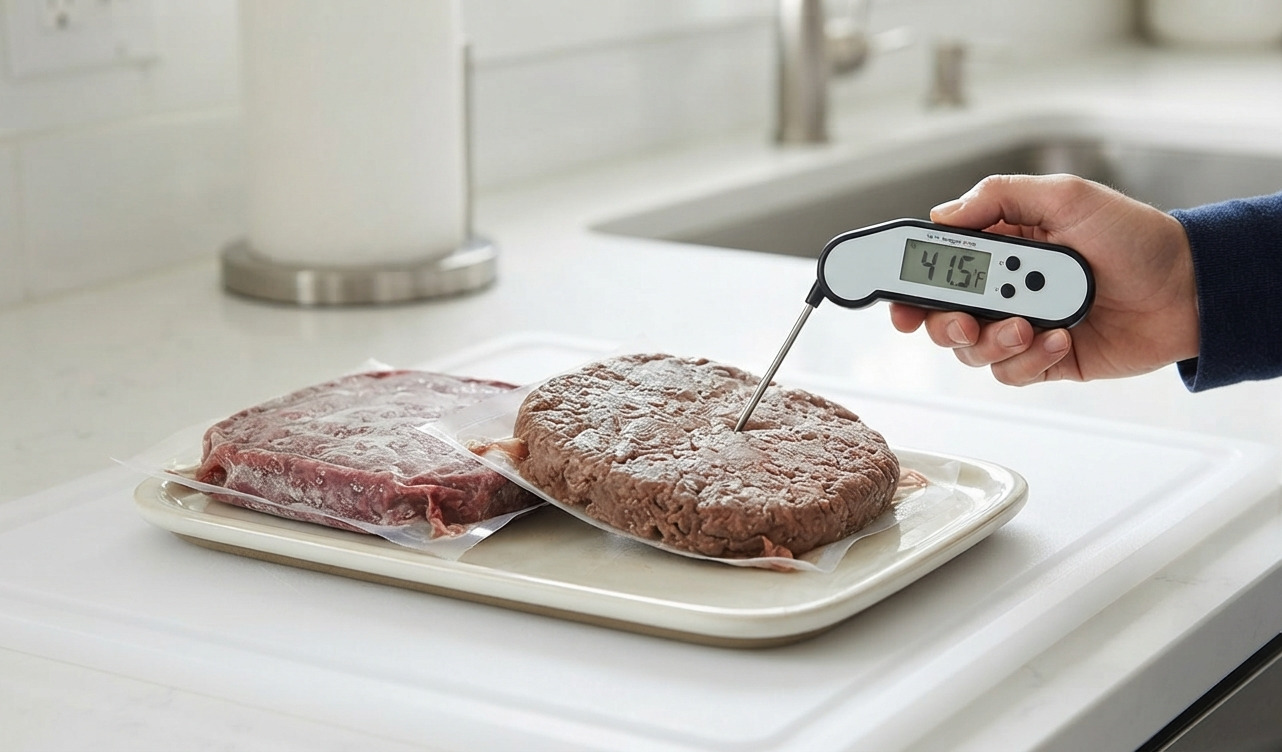
The Ultimate Test: Always use a reliable digital meat thermometer when cooking. Insert it into the center of your burgers or meatloaf to ensure you hit that crucial 160°F benchmark.
When in Doubt, Freeze It Early
If your calendar shows you won’t have time to cook ground beef within 48 hours, freeze it right away. Properly frozen ground beef stays its best for three to four months.
-
Pro Storage Tip: Before you put the package in the freezer, unwrap it and flatten the meat into a thin, even rectangle inside a freezer-safe bag or vacuum seal. Write the date on the front. Flattening the meat helps it freeze and thaw much faster, saving you time when you’re getting ready to cook.
-
Safe Thawing: Always thaw your frozen ground beef inside the refrigerator overnight or submerge the sealed bag in cold tap water. Never leave raw meat sitting out on the kitchen counter to thaw at room temperature.
READ: Unlock Radiant Skin: The Ultimate Guide to Antioxidant Face Serums
Frequently Asked Questions
Can I wash ground beef before cooking it?
No, food safety experts say you should not wash raw ground beef. Washing meat doesn’t kill bacteria. Instead, it spreads tiny pathogens around your kitchen, on counters, cutting boards, and utensils, which increases the risk of cross-contamination.
Why is ground beef gray in the middle of the package?
If you peel back the plastic wrap and notice the meat in the center looks dull gray or brown, it is often just a result of low oxygen exposure rather than spoilage. Myoglobin, the protein responsible for meat’s red color, doesn’t react with oxygen when shielded inside the pack. However, if the entire package has a foul smell or sticky texture alongside that gray color, discard it immediately.
What happens if I accidentally eat expired ground beef?
Eating spoiled ground beef or meat with harmful bacteria like E. coli or Salmonella can cause food poisoning. Symptoms often include stomach cramps, nausea, vomiting, diarrhea, and fever. These symptoms may appear within a few hours to several days after eating. If you think you have eaten bad meat and feel very sick, see a healthcare professional.
Is it safe to refreeze ground beef after thawing?
Yes, you can safely refreeze raw ground beef if it was thawed properly in the refrigerator (never on the counter or in warm water). Keep in mind that the freezing and thawing cycle causes moisture loss, which can degrade the texture and flavor quality of the meat over time.
Keep an eye on the calendar and handle your ground beef as you would any high-risk food. This way, you’ll protect your family’s health and reduce kitchen waste.