
Ring in Prosperity: Fascinating New Year’s Eve Traditions From Around the World
Why People Around the World Are Running Through Streets and Smashing Pomegranates at Midnight
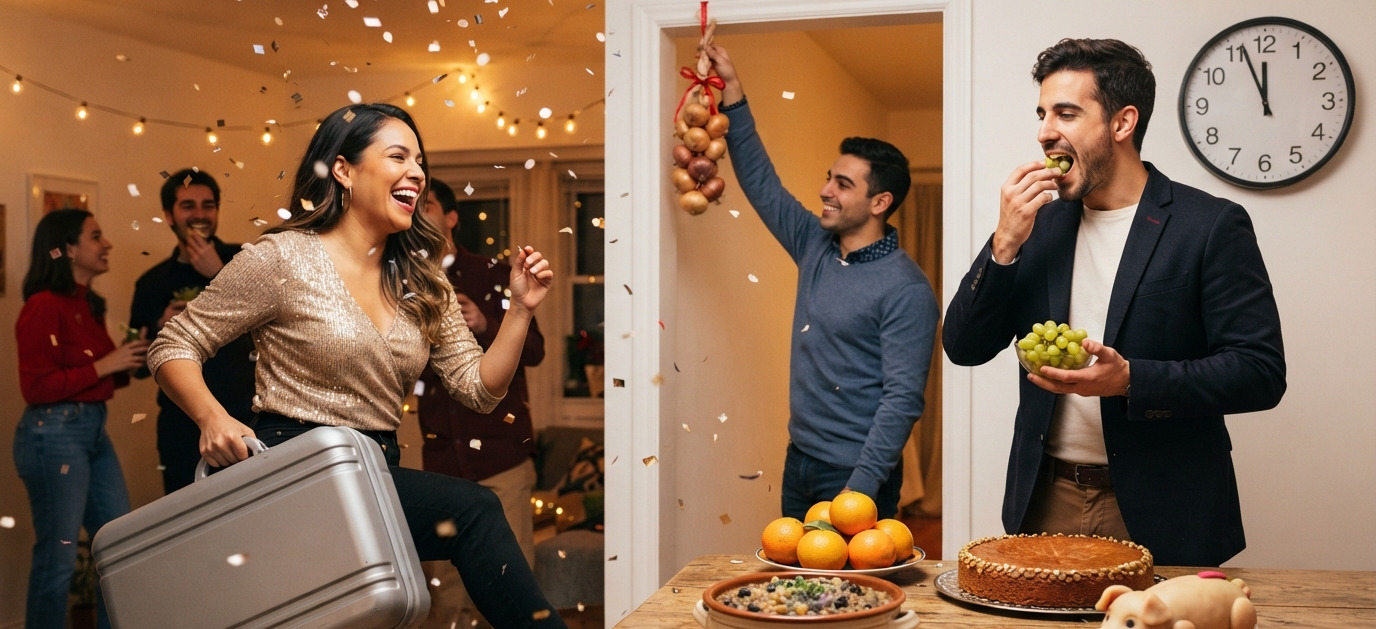
Get ready for your best year yet! Whether you prefer staying home cozy under a blanket or going out to celebrate at midnight, there’s no right or wrong way to welcome the New Year. It’s interesting to see how some traditions have lasted for centuries, dating back to ancient Babylon. These rituals can differ greatly around the world.
For example, many cultures eat round foods on New Year’s Eve since their shape represents prosperity. In one place, that might mean eating black-eyed peas, while in another, it could be a beautiful spread of round citrus fruits.
A Personal Tradition: The Suitcase Sprint
I remember the first time my neighbor celebrated New Year’s Eve the Colombian way. Just after midnight, while the rest of us held glasses of champagne and shared polite hugs, I saw my neighbor running down the sidewalk. He was dragging an empty suitcase behind him with his right foot, trying to run as fast as he could around the block.
When he finished, panting and laughing, he said this would ensure a year full of travel. We all laughed at him. But by mid-summer, he had booked three big trips. It seemed silly, but watching him made me realize how strong these fun traditions can be. They turn a simple change of the calendar into a hopeful adventure.
From Times Square to Global Celebrations: How the World Counts Down
If you want to try new traditions with your family this New Year’s Eve, there are many interesting customs from around the world. Some have been celebrated for hundreds or even thousands of years, while others are more recent.
Watch the Big Drop
New Year’s Eve countdowns are famous for the ball drop in Times Square. This year, the ball is made of 5,280 Waterford Crystals and LED light pucks. It weighs 12,350 pounds.
-
Atlanta, GA: Features a stunning drone show.
-
Plymouth, Wisconsin: Lowers a giant slice of cheese.
-
Kennett Square, PA: Drops a sparkling mushroom.
-
Hackettstown, New Jersey: Drops a giant M&M.
Eat 12 Grapes for 12 Months
In Spain, people eat one grape at each stroke of midnight. Eating a grape with each of the 12 chimes is said to ensure a lucky year, as long as you think about their meaning and finish eating them before the last chime.
Jump Seven Waves in Brazil
Spending New Year’s Eve on the beach sounds amazing, but in Brazil, your luck increases if you get in the surf and jump over seven waves—one for each of the divine spirits of the Umbanda religion, offering one wish per wave. Millions also gather on the beaches wearing white to symbolize peace and good luck.

Smash a Pomegranate in Turkey
In Turkey, pomegranates are symbols of abundance. Those who want a prosperous year will smash the fruit right on their doorstep. The farther the pieces spread, the more prosperous your year will be!
Quirky Superstitions to Try This Year
If you want to spice up your celebration, try adopting one of these unique cultural customs:
-
Color-Code Your Underwear: In Latin America, yellow underwear brings luck, red brings love, and white brings peace. Just make sure they are clean and hole-free!
-
Pack Light (Or Not at All): Follow Colombia’s lead and run around the block with an empty suitcase to manifest a year of travel.
-
Grab a Potato: In Colombia, slip three potatoes under the family beds (peeled, half-peeled, unpeeled) to let blind luck dictate your financial outlook for the next 12 months.
-
Smash the Peppermint Pig: In upstate New York, families tap a hard peppermint candy pig with a tiny hammer and eat a piece for good fortune.
-
Burn the Old Year: In Ecuador, handmade effigies representing the bad parts of the past year are burned at midnight as a cleansing ritual.
More Global New Year’s Rituals
Listen for 108 Bells in Japan
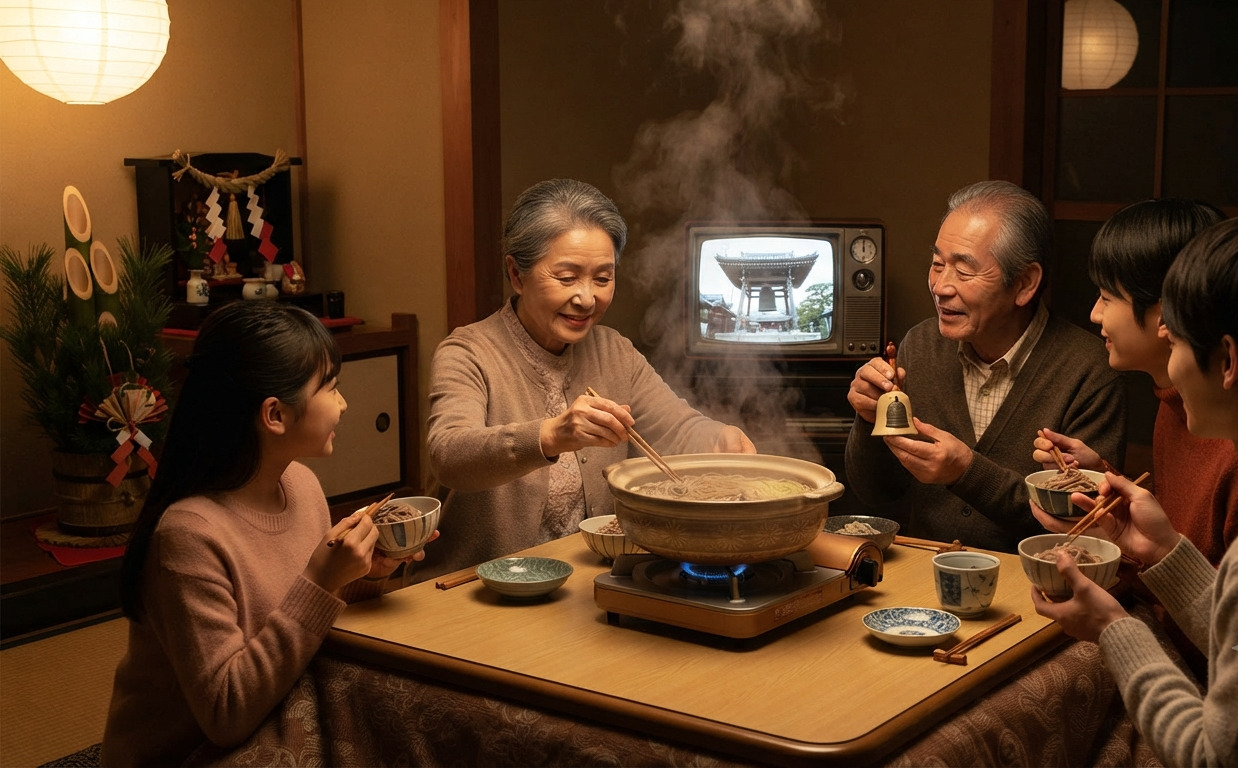
On New Year’s Eve, known as ōmisoka in Japan, Buddhist temple bells ring 108 times before midnight. Each bell chime represents a worldly passion, like anger, suspicion, or greed. This practice aims to help you let go of these feelings, so you can begin the new year free of vices.
Spice Up Your Champagne in Russia
In Russia, Champagne gets a dramatic and high-stakes upgrade right as midnight approaches. Revelers write a personal wish down on a small piece of paper, burn it with a candle, and drop the ashes directly into their glass of bubbly. The catch? You have to finish drinking the entire glass before the clock stops chiming!
Dream of the Future Under Mistletoe in Ireland
Mistletoe is a common symbol of Christmas romance in many Western countries, but Irish folklore adds an extra twist for New Year’s Eve. According to tradition, single people who put a sprig of mistletoe (or holly and ivy) under their pillow before going to bed on December 31 will dream about their future romantic partner.
Deck Out the Door With Onions in Greece
How do the Greeks invite growth and prosperity into their homes? They hang bundles of onions over their front door. Because onions are famous for sprouting and growing even when completely neglected, they serve as a powerful ancient symbol of fertility, resilience, and abundance for the household.
Sing for Candy in Norway
If kids feel they missed Halloween, Norway has a fun solution. On New Year’s Eve, a tradition called Nyttarsbukk happens. Children dress up and go door-to-door singing New Year’s songs to get sweets. It’s like a mix of caroling and trick-or-treating on one festive night!
Turn Lemons Into Piglets in Austria and Germany
Pigs are widely recognized across German-speaking countries as a classic sign of wealth and good fortune. To actively invite that prosperity inside, some people transform ordinary lemons into adorable little “piglets” to display on the kitchen table. They use the natural nub at the end as a snout, stick cloves in for eyes, add toothpicks for tiny feet, and wedge a lucky penny right into the slit of a mouth.
Throw Water Out the Window in Puerto Rico
Out with the old negative energy, literally! In Puerto Rico, some families believe that dumping a bucket of water straight out of the window as the clock strikes midnight washes away and drives away evil spirits from the previous year. To balance out the neighborhood splash, they also sprinkle sugar outside their front steps to warmly invite good luck inside.
Bring Good Fortune Home
Welcoming the New Year is about being optimistic, starting fresh, and making joyful memories with loved ones. You can choose to eat round foods for wealth, wear polka dots, or bake a coin into a sweet Greek vasilopita bread. Pick your favorite tradition this year, focus on your countdown, and get ready for good things to come!
Frequently Asked Questions About New Year’s Eve Traditions
READ: The Ultimate Guide to the Cutest Cat Breeds You’ll Want to Snuggle Immediately
What are the most popular New Year’s Eve traditions around the world?
Many people around the world celebrate New Year’s with special traditions. In Spain, people eat 12 grapes at midnight for good luck. In Brazil, people jump over seven waves at the beach. In Turkey and New York, people smash pomegranates or peppermint pigs for prosperity. In Colombia, people run around the block with an empty suitcase to wish for travel.
Why do people eat round foods on New Year’s Eve?
Many cultures believe that eating round foods like grapes, lentils, black-eyed peas, or round citrus fruits represents coins and money. People practice this ritual to attract financial prosperity, wealth, and abundance for the coming year.
Where does the tradition of New Year’s resolutions come from?
Historians trace the origin of New Year’s resolutions back over 4,000 years to the ancient Babylonians. They were among the first civilizations to celebrate the new year, making promises to their gods to pay off debts and return borrowed items.
What is the meaning behind wearing white on New Year’s Eve?
In Brazil, millions of people gather on the beaches on December 31. They wear white clothes because the color stands for peace, purity, and good luck. This sets a calm and positive tone for the year ahead.